
Workshop
Motorcycle Workshop Tools Every Home Garage Should Have: A UK Setup Guide
A detailed UK guide to motorcycle workshop tools for home garages. Learn which hand tools, torque equipment, measuring tools, chain tools, and brake service gear to buy first for safe routine maintenance.
A home garage tool kit should make routine jobs safer, not harder
Most riders do not need a full race workshop to keep a bike reliable. What you do need is a dependable baseline kit that covers common maintenance: wheels off, chain service, brake checks, filter changes, and basic adjustments.
Good tools reduce stripped fasteners, uneven torque, and rushed improvisation. That matters because many home garage mistakes come from using the wrong tool once, not from lacking every specialist item on day one.
Build in stages. Start with hand tools and measuring basics, then add job-specific tools as your confidence and maintenance list grows.
Tier 1 essentials: the tools almost every rider uses first
Metric sockets and spanners are the foundation. Motorcycles use a mix of 8 mm, 10 mm, 12 mm, 13 mm, 14 mm, and 17 mm fasteners on many models, so a compact socket set plus a few deep tee-bar wrenches covers a large share of jobs.
A reversible screwdriver handles clip screws, fairing fasteners, and carb area hardware. Keep bits clean and replace worn tips before they chew screw heads.
- Metric socket set with deep reach options
- Combination spanners for tight spaces
- Quality screwdriver with reversible bits
- Hex and Torx keys matched to your bike
- Torque wrench for critical fasteners
Why torque control matters on motorcycles
Over-tightening can crack covers, strip threads, and distort brake components. Under-tightening can loosen wheel, caliper, or sprocket hardware in use. A torque wrench is one of the highest value tools in a home garage.
Use manufacturer torque values from the service manual. For small fasteners, a 1/4 drive wrench in lower ranges is useful. For general chassis and driveline work, a 3/8 drive wrench is a practical daily choice.
Where torque tools matter most at home
| Job area | Why accuracy matters | Typical tool need |
|---|---|---|
| Wheel and brake hardware | Safety critical clamping force | 3/8 drive torque wrench |
| Engine covers and casings | Prevent thread and gasket damage | Lower range torque wrench |
| Sprocket and chain adjusters | Consistent clamping without distortion | Socket plus torque control |
| Handlebar and control clamps | Secure without crushing components | Smaller drive torque wrench |
Measuring tools that prevent guesswork
Feeler gauges are inexpensive and useful for valve clearance checks, lever free play checks, and other fine adjustments where a visual guess is not good enough.
Dial gauges and magnetic stands are more advanced, but valuable if you work on wheels, engine build tolerances, or suspension setup. Most home riders can add these after core maintenance tools are in place.
Drivetrain and brake service tools worth owning early
Chain maintenance is easier with a proper chain breaker and riveting or link tools matched to your chain pitch. Improvised methods often damage links and create roadside risk.
Brake bleeding is another common home job. A one-way check valve bleeder hose setup reduces air ingestion and makes fluid changes cleaner than open-loop methods.
Home service tool priorities by job type
| Maintenance job | Core tool | Optional upgrade |
|---|---|---|
| Chain replacement | Chain breaker for your pitch range | Reusable link tool or rivet tool |
| Brake fluid refresh | Bleeder hose with check valve | Dedicated bleed bottle kit |
| Wheel and tire work | Good sockets and torque wrench | Spoke wrench or spoke torque set |
| Engine cover service | Feeler gauges and hex keys | Flywheel or clutch holder tool |
Workshop setup: lift, lighting, and organization
A stable lift or stand transforms home maintenance. It improves access, reduces back strain, and makes wheel, chain, and brake jobs safer when the bike is properly supported.
Good lighting and a clean work surface are underrated tools. Most home garage frustration comes from poor visibility and cluttered benches, not missing exotic equipment.
Store tools by job type: drivetrain, brakes, electrical, and general fasteners. Label small containers for clips and washers removed during teardown so reassembly is faster.
What to buy later as your skills expand
Specialist tools become worthwhile when you repeat the same advanced job. Flywheel pullers, clutch holders, fork seal tools, and bearing drivers are examples of items to add when your service list justifies them.
Buying everything upfront rarely makes sense. A staged approach keeps costs controlled and helps you learn which tools you actually use on your bike.
- Clutch and flywheel holding tools for engine work
- Fork seal cleaning tools for suspension service
- Bearing and puller tools for deeper rebuilds
- Electrical test tools for charging and lighting faults
- Spoke tools if you run wire wheels
Real in-stock workshop tools linked in this guide
This guide links active hand tools, torque equipment, measuring tools, chain service tools, brake bleeding gear, and workshop lift products currently available for UK riders building a home garage setup.
Choose tools based on the jobs you perform most often, then expand into specialist equipment as your maintenance scope grows.
Related products
Parts mentioned in this guide that are available in our catalogue right now.
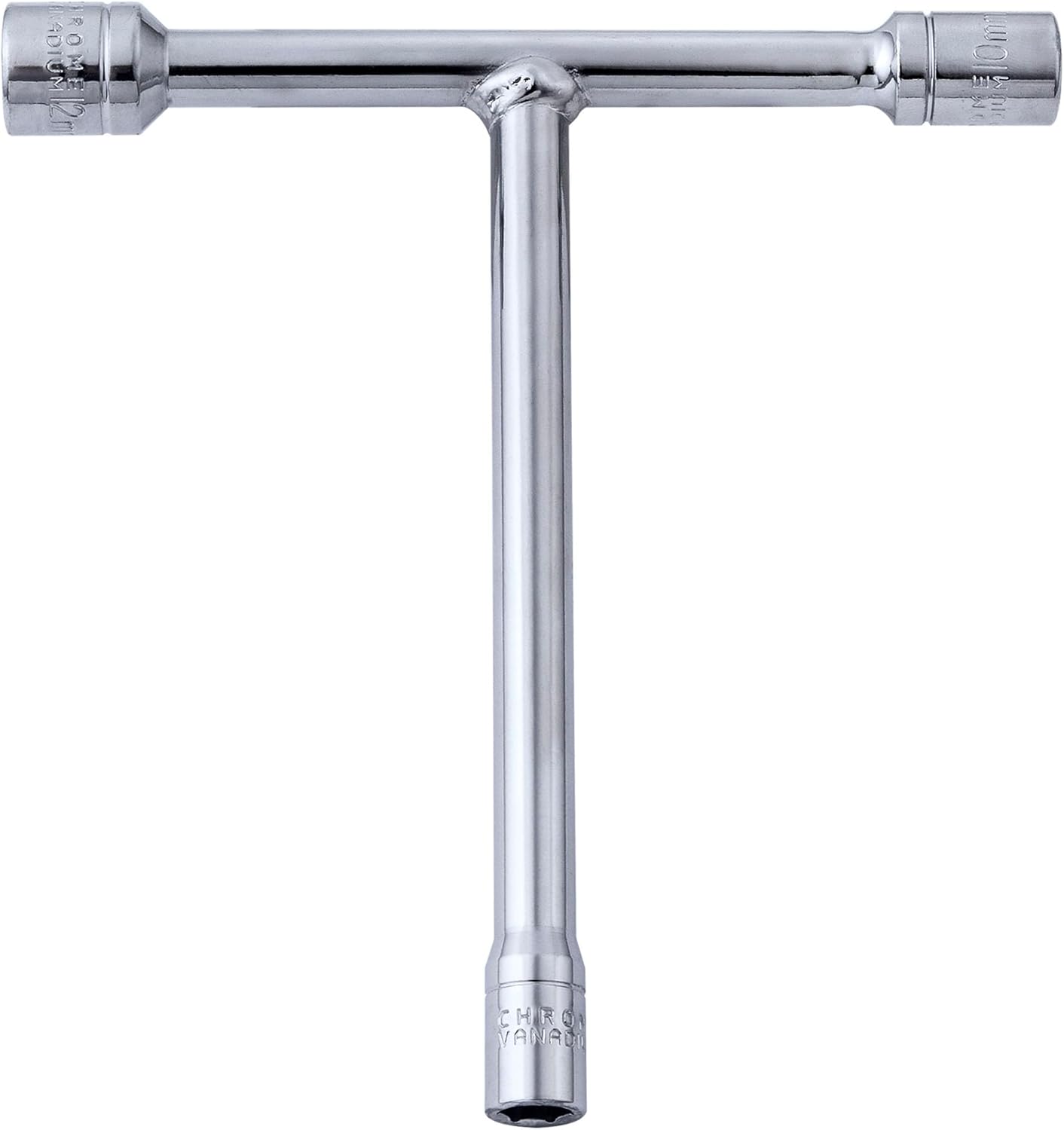
MINI T-HANDLE SOCKET WRENCH SET CHROME 8mm 10mm 12mm
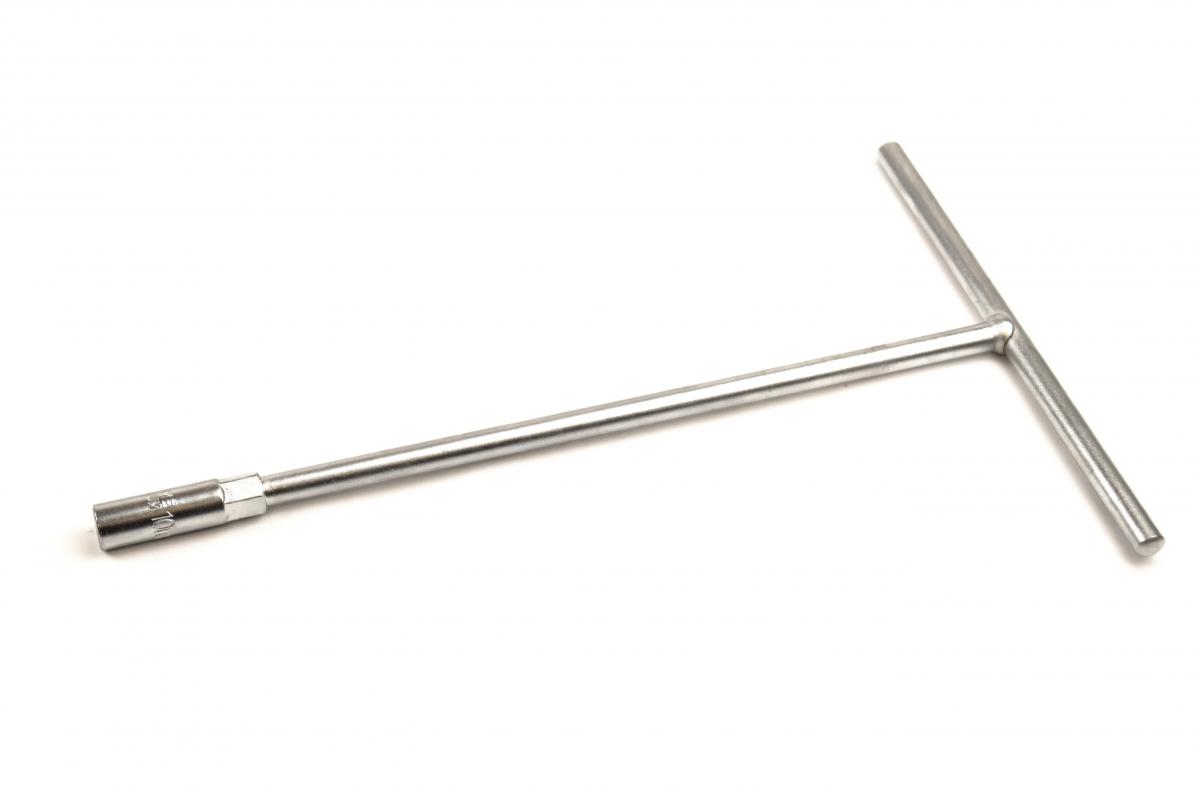
10mm TEE-BAR DEEP SOCKET WRENCH 300mm

TORQUE WRENCH 3/8 DRIVE
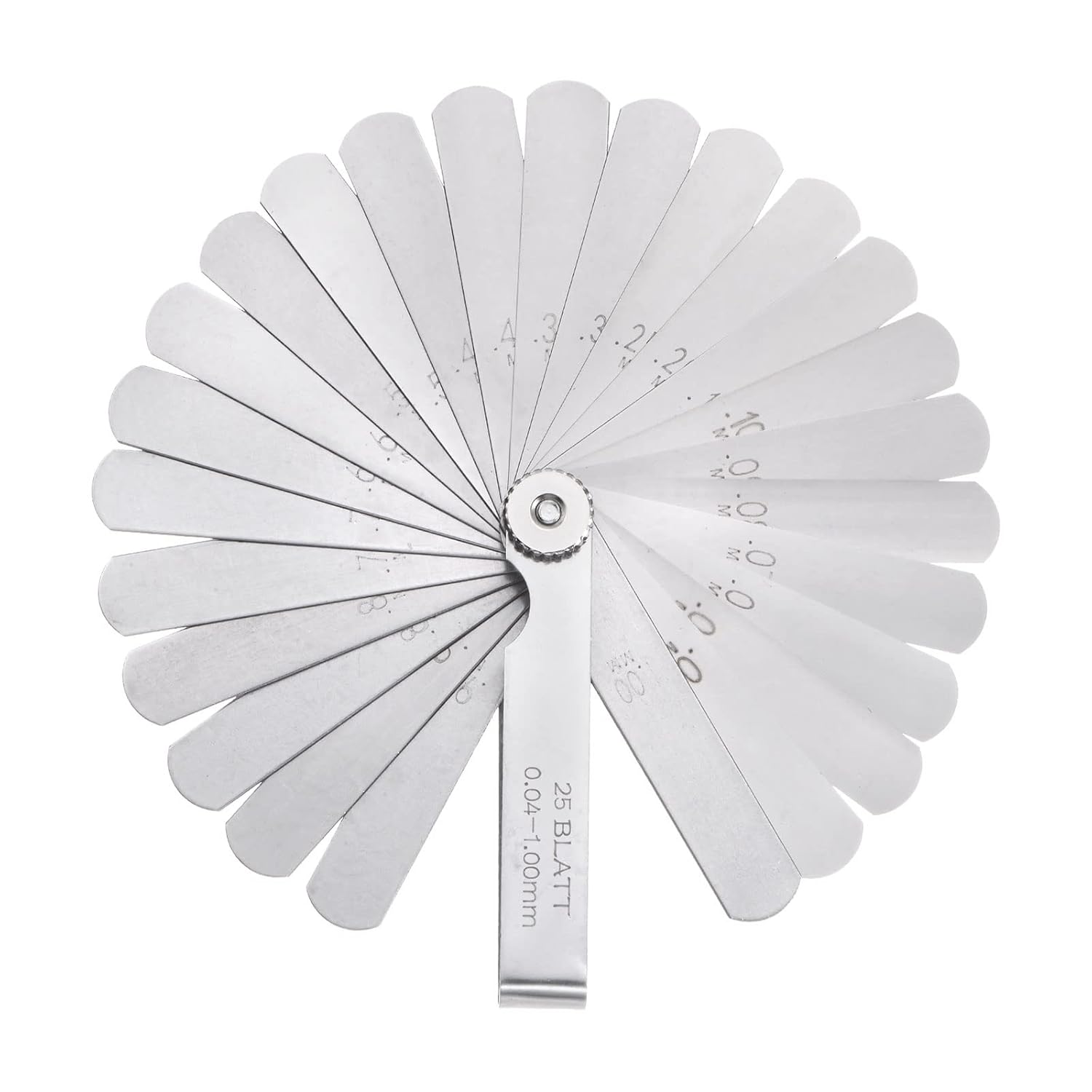
FEELER GAUGE 25 BLADE METRIC SET 0.04mm TO 1.00mm 89x25mm BLADES
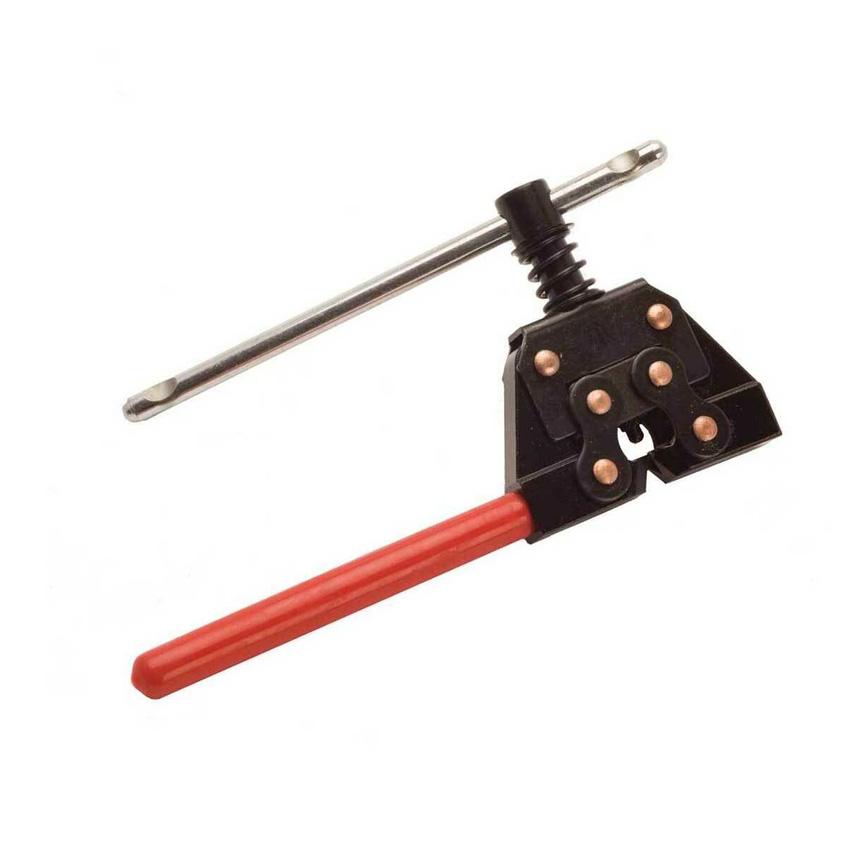
CHAIN BREAKER LINK REMOVAL TOOL 415-530 - SOFT RED GRIP
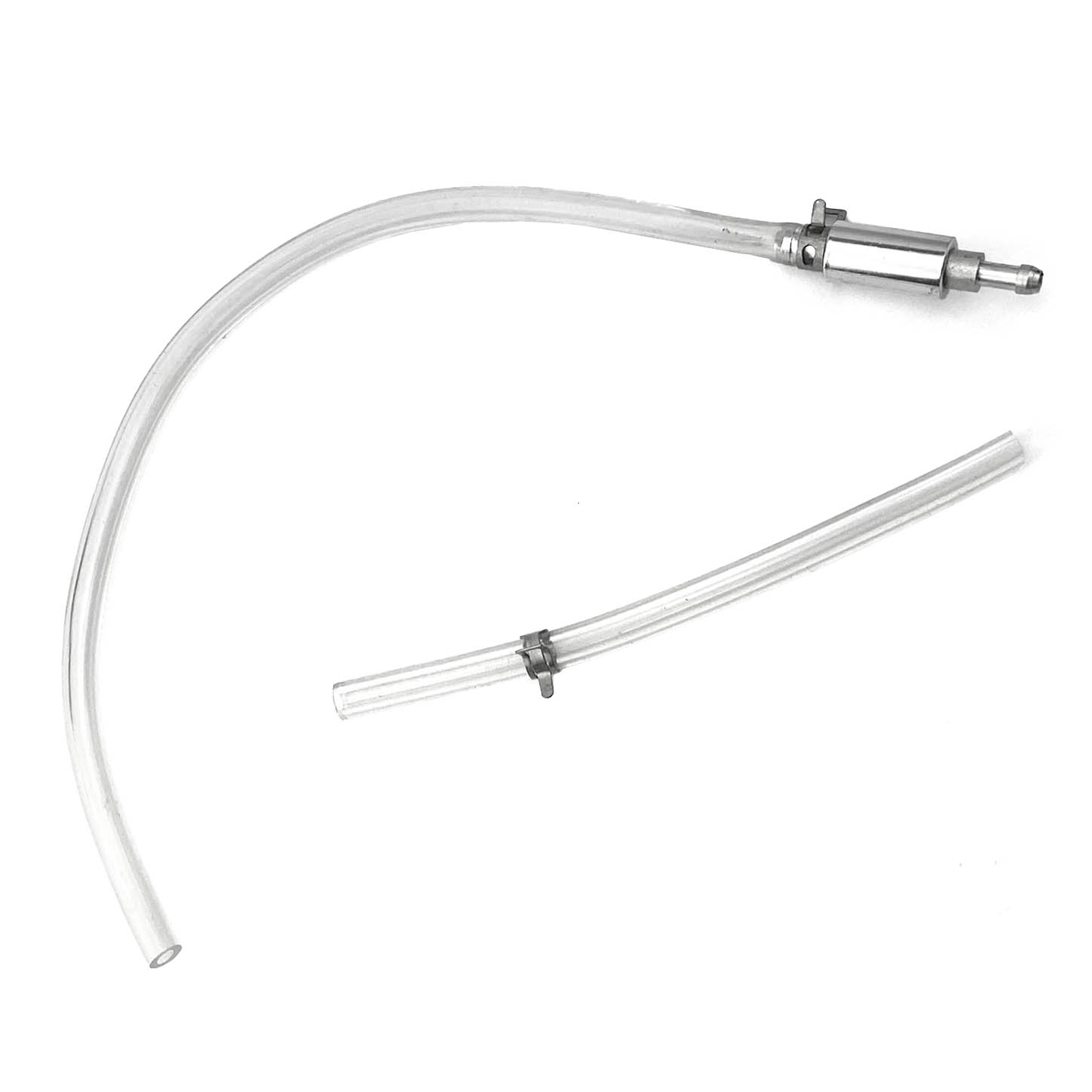
HYDRAULIC BRAKE BLEEDER - CHECK VALAVE & HOSE
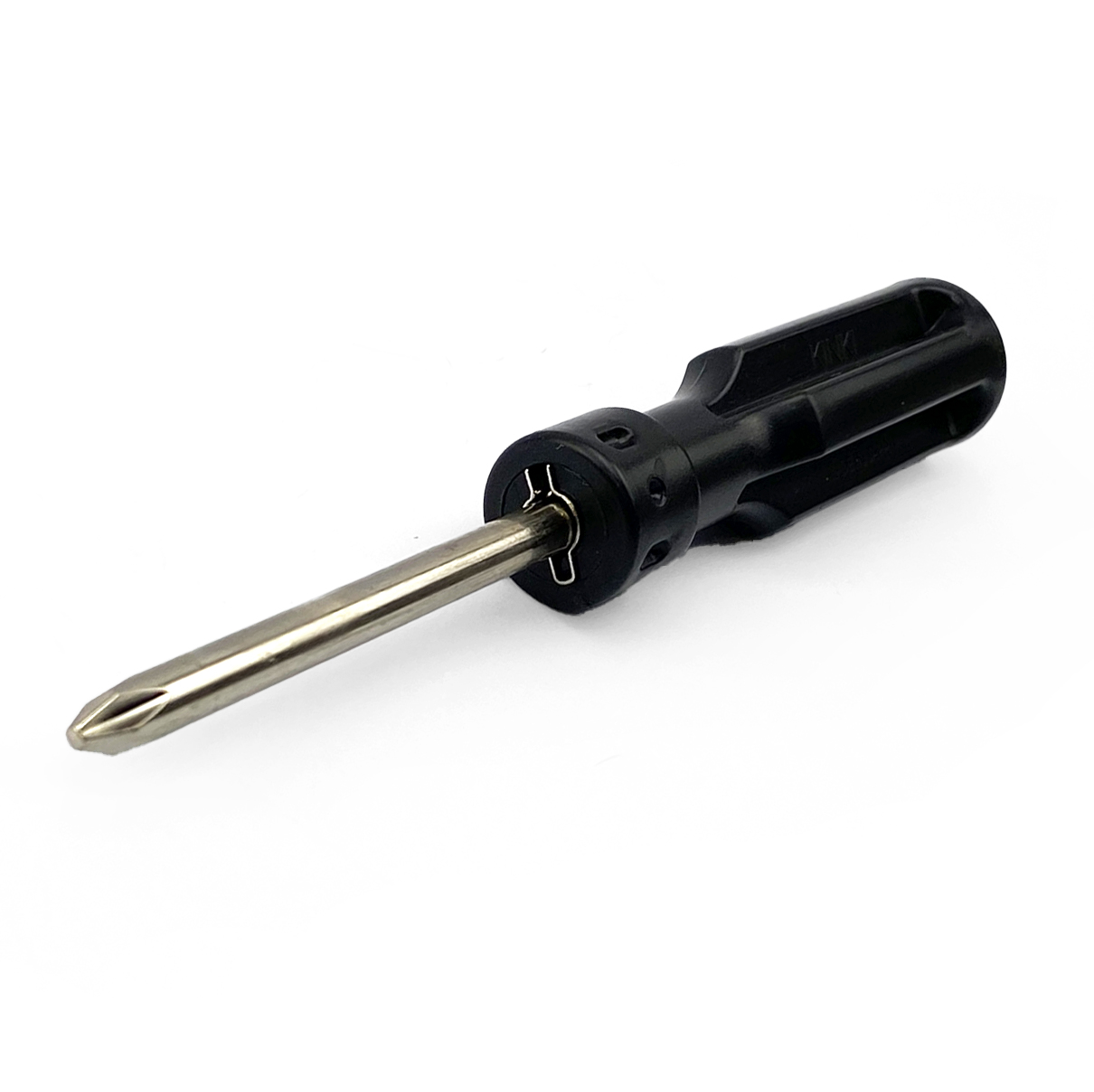
EACH 2-IN-1 SCREWDRIVER, 2 WAY REVERSIBLE HEAD - CLEARANCE
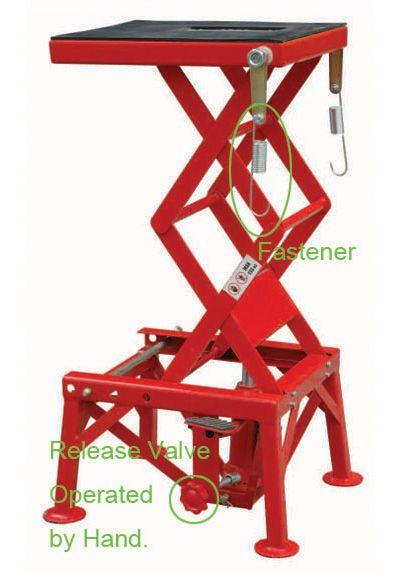
MOTORCYCLE LIFT HDY 135KGS, RED HYDRAULIC SCISSOR STAND, MAX LIFT WEIGHT 135 KGS
FAQ
Do I need specialist tools for basic servicing?
Not always. Core metric hand tools, a torque wrench, and a few job-specific items can cover routine maintenance on many bikes.
What saves the most time in a home garage?
Good organization, proper lighting, and a reliable baseline tool kit. A stable stand or lift also saves significant time and effort.
Is a torque wrench essential for home motorcycle work?
For safety-critical and engine cover fasteners, yes. It is one of the best early investments to prevent expensive mistakes.
Which socket sizes should I prioritize?
8 mm, 10 mm, 12 mm, 13 mm, 14 mm, and 17 mm cover many common fasteners. Add sizes based on your specific model as you service it.
Can I bleed brakes at home without a workshop?
Yes. A basic bleeder hose with check valve, correct fluid, and patience is enough for many home brake fluid services.
When should I buy a motorcycle lift or stand?
As soon as you plan regular wheel, chain, or brake work. Stable support improves safety and makes home jobs much easier.