
Maintenance
Reliable Motorcycle Battery Replacements in the UK: A Complete Electrical Guide
A long-form UK guide to reliable motorcycle battery replacements. Learn how to choose the right battery fitment, diagnose charging faults, protect battery life in storage, and build a practical electrical service kit with real in-stock parts.
Why motorcycle battery problems are often misdiagnosed
A dead battery is usually the symptom riders notice first, but it is not always the root cause. Weak starting, slow cranking, and intermittent electrical behavior can come from charging faults, poor connections, starter circuit issues, or a battery that was never matched correctly to the bike.
In the UK, short winter rides, long storage periods, and damp conditions make electrical reliability harder to maintain. A battery that looks fine on a quick voltage check can still fail under real cranking load when temperatures drop.
Reliable motorcycle battery replacement starts with correct fitment, then extends into charging system health and supporting electrical components. Buying a new battery without checking the wider system often leads to repeat failures and wasted money.
Battery fitment is more than matching voltage
Most riders know they need a 12V battery, but physical dimensions, terminal layout, CCA requirements, and battery chemistry all affect whether the replacement works reliably in daily use.
A battery that is slightly too tall can stress terminals and straps. Wrong terminal orientation can force awkward cable routing and poor contact. Under-specified cranking performance shows up as slow starts on cold mornings, especially on larger engines or bikes with accessories.
Key battery replacement checks before ordering
| Check | What to verify | Why it matters |
|---|---|---|
| Physical size | Length, width, height, and terminal position | Prevents fitment stress and loose mounting |
| Chemistry type | Lead acid, AGM, or lithium specification | Affects weight, charging behavior, and service needs |
| Cranking requirement | Engine size and accessory load | Ensures reliable cold starts under real use |
| Mounting hardware | Strap, block, and terminal condition | Loose or worn hardware causes vibration damage |
Check the charging system before replacing batteries repeatedly
If you have replaced more than one battery in a short period, stop and test the charging system. Regulator and rectifier faults can overcharge or undercharge, both of which shorten battery life dramatically.
Starter solenoid and relay issues can also mimic battery failure. The bike may click or crank weakly even when the battery itself still has usable capacity. Testing in the right order saves money and prevents unnecessary part swaps.
Electrical fault patterns that look like battery failure
| Symptom | Possible cause | Next check |
|---|---|---|
| Clicking but no crank | Starter solenoid or relay fault | Test solenoid operation and relay continuity |
| Battery dies quickly after install | Charging over-voltage or parasitic drain | Check regulator output and key-off current draw |
| Slow crank in cold weather only | Weak battery or high-resistance terminals | Load test battery and clean all connections |
| Starts then dies electrically | Loose earth or ignition supply issue | Inspect main earth straps and ignition circuit |
Storage habits that protect battery life in the UK
UK riders often face long gaps between rides due to weather. Batteries left at partial charge degrade faster, especially when the bike also has alarms, clocks, or accessory circuits drawing small standby current.
Maintenance charging, clean terminals, and secure mounting make a bigger difference than many riders expect. A battery that is kept correctly charged and physically stable will usually outlast one that is repeatedly deep-discharged and shaken loose on rough roads.
- Use a motorcycle-specific maintenance charger for storage periods
- Clean and protect terminals before winter lay-up
- Confirm battery strap and hold-down hardware is secure
- Avoid long periods of key-on accessory use without running the engine
- Test resting voltage before and after storage seasons
Build a practical electrical service kit for faster diagnosis
When electrical faults appear, having the right supporting parts ready reduces downtime. Beyond the battery itself, items like rectifiers, starter relays, ignition coils, and spark plugs are common service points in starting and charging diagnosis.
This does not mean replacing everything at once. It means keeping a sensible electrical basket ready so you can test and repair systematically instead of making repeated emergency orders.
Real in-stock products for battery and electrical reliability
This guide links active products that support battery replacement and wider electrical troubleshooting, including lithium YTZ5S fitment options, battery straps, rectifiers, starter solenoids, starter motors, ignition coils, and common NGK spark plugs.
Using verified in-stock parts helps you build a complete electrical service plan instead of guessing with generic search terms that return zero useful results.
Related products
Parts mentioned in this guide that are available in our catalogue right now.
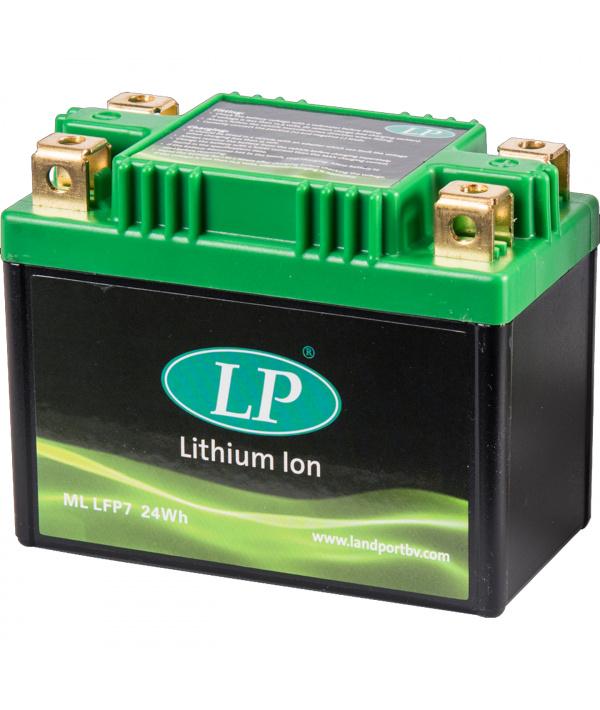
BATTERY LITHIUM 12V LFP7 YTZ5S, LTZ5-S, 12N7-4A, 12NCZ-3D, HJ01, BSLi-02, HJTZ5S-FP-SWI
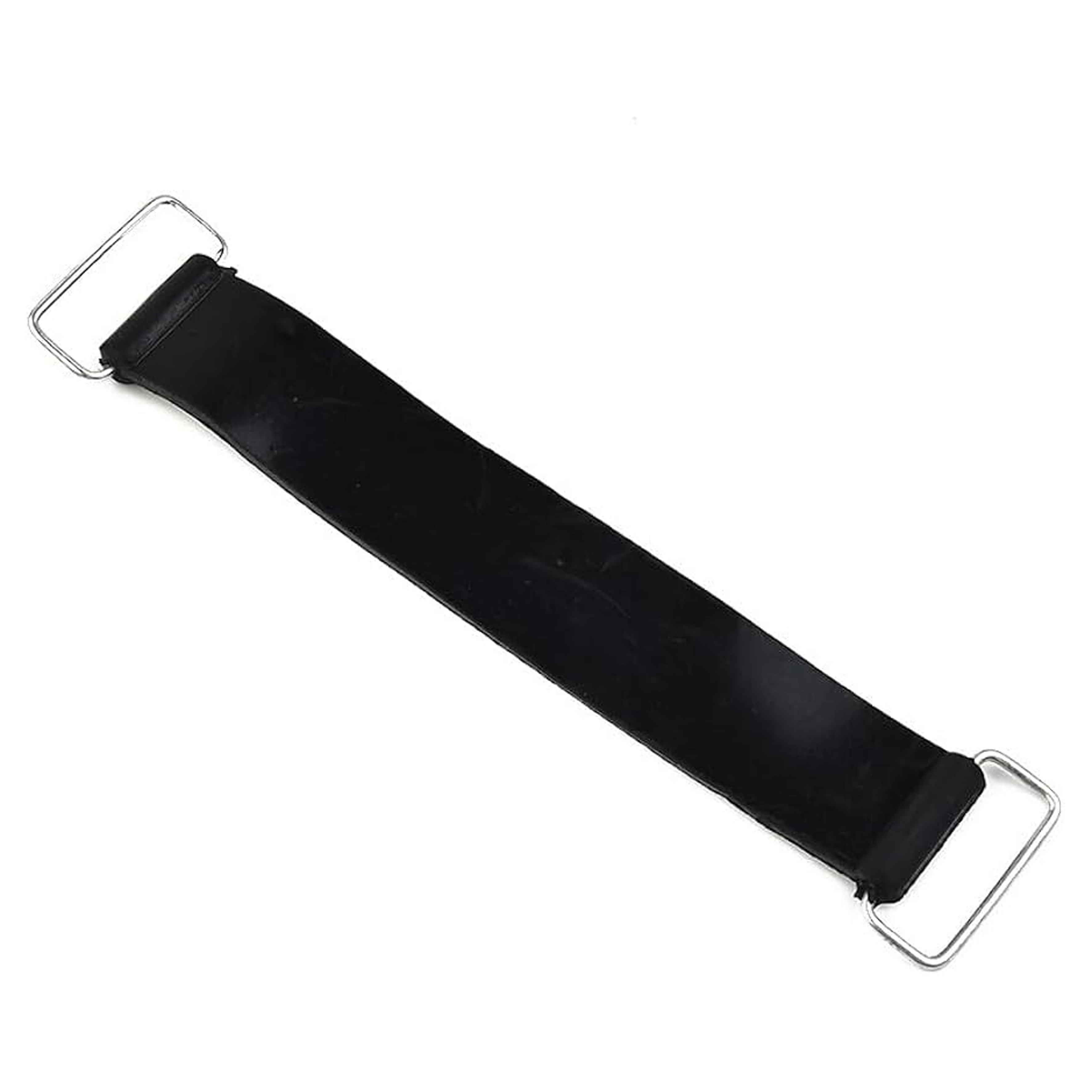
BATTERY STRAP LENGTH 125MM BRONCO 4852
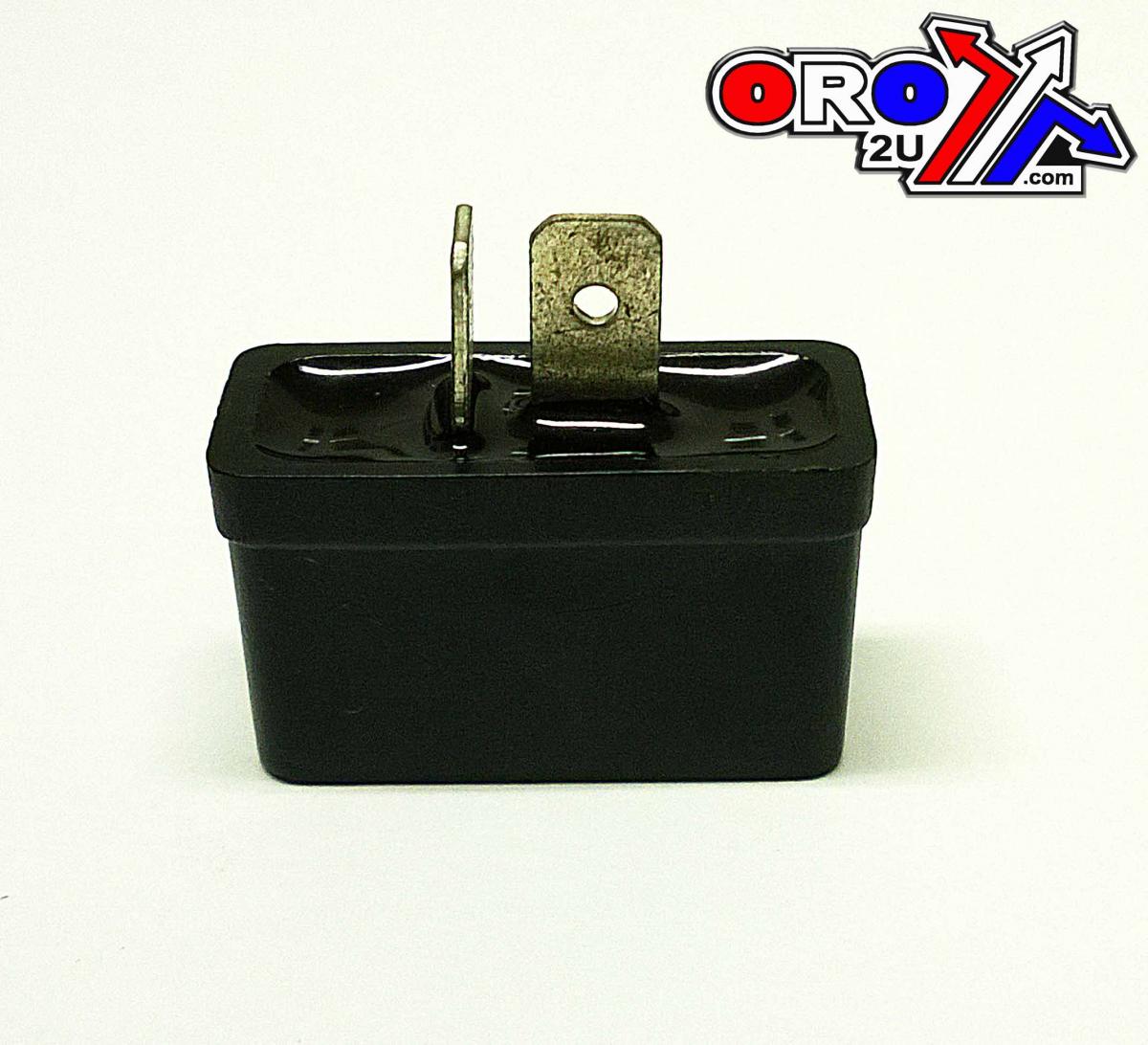
RECTIFIER HONDA MT/MB, 31710-371-008, 716000
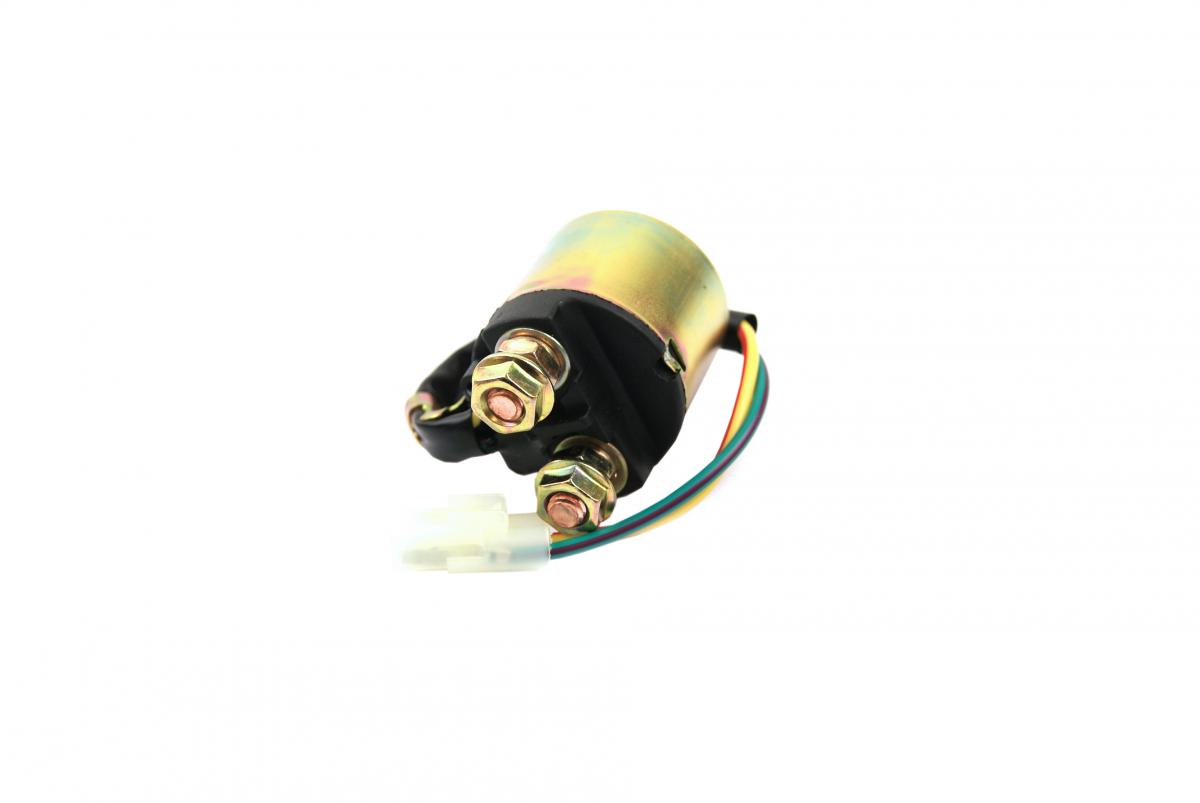
STARTER SOLENOID RELAY 90-19 HONDA TRX 90 200 300 350 400 420 450 500 12V 35850-HN2-A01
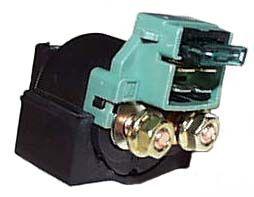
SOLENOID STARTER UNIVERSAL
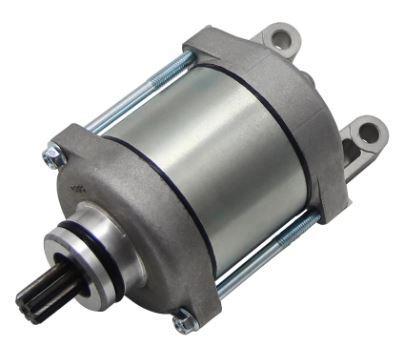
STARTER MOTOR KTM/HUSQ 250/350 16-26, HUSQVARNA FX FC FE 410-58116, 79240001000
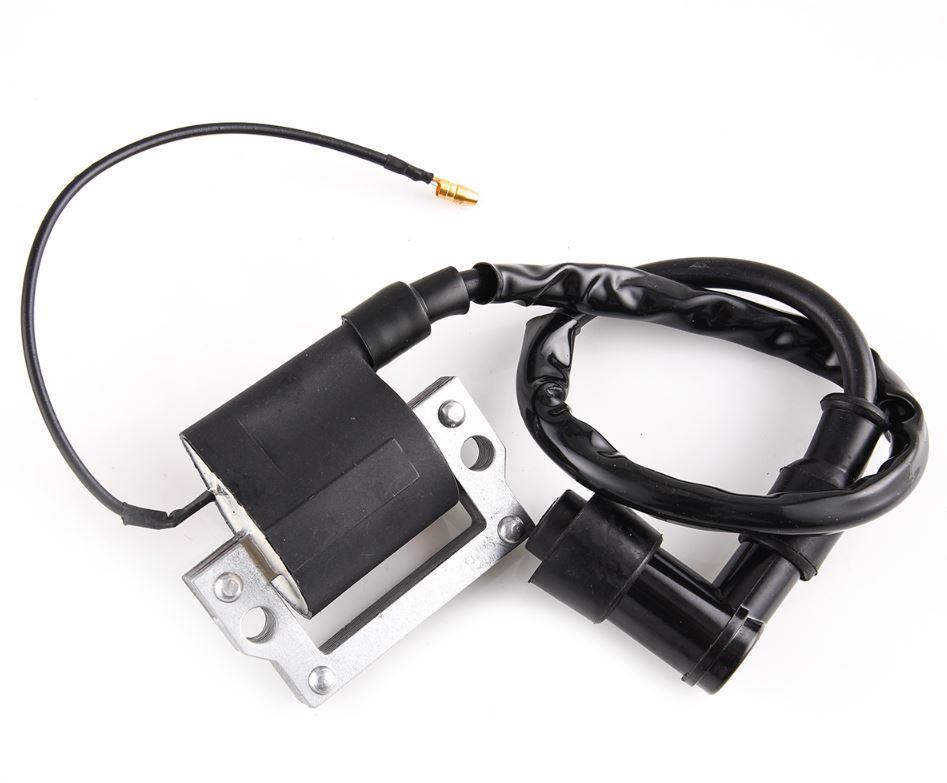
COIL IGNITION WITH CAP 00-73 SUZUKI YAMAHA DT RT 100 RD 60 255-82310-40 33410-430010
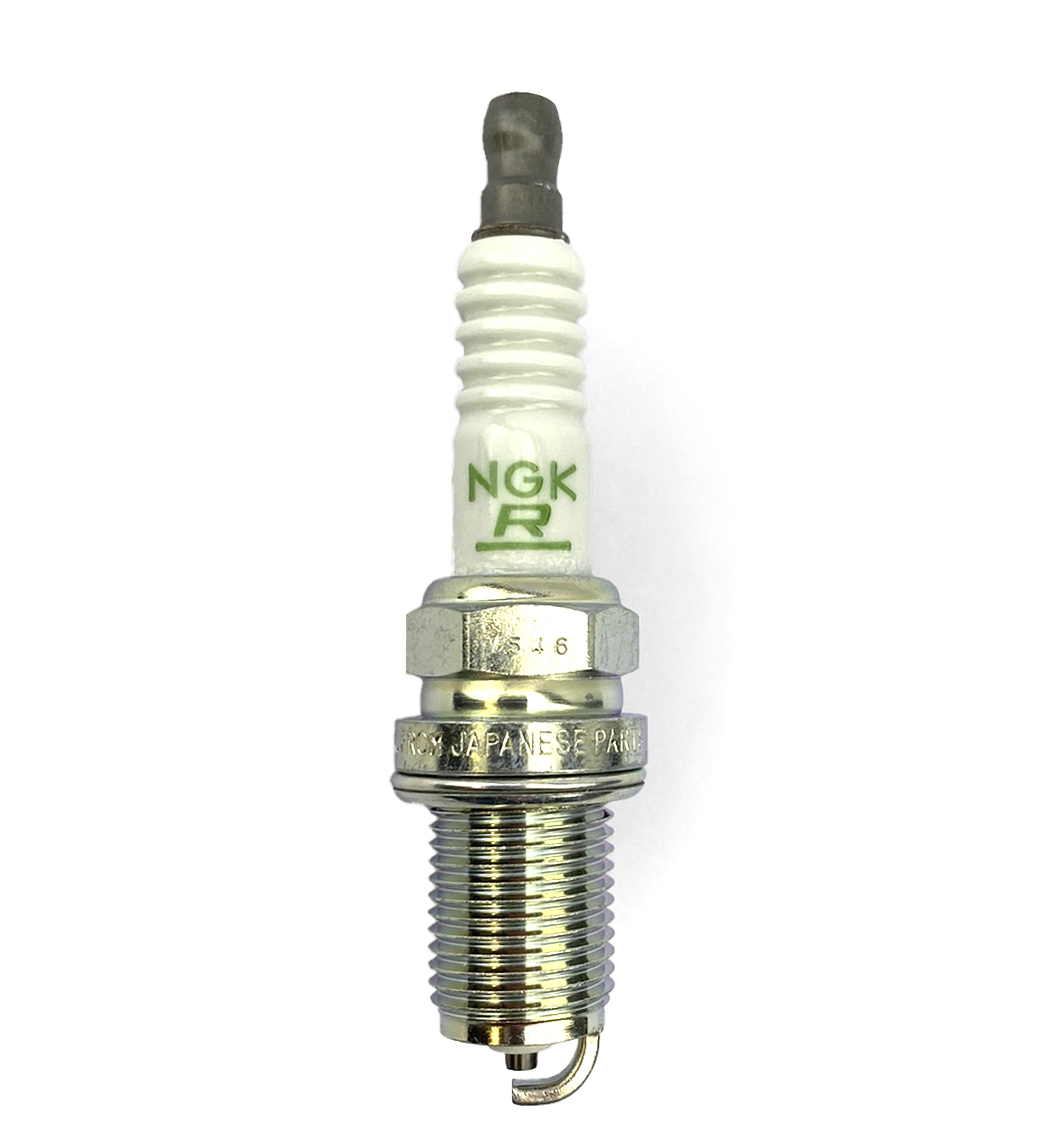
NGK SPARK PLUG BKR5E-11 6953 NG6953
FAQ
How often should I replace a motorcycle battery in the UK?
There is no fixed interval for every bike. Replace when load testing shows weak performance, cranking becomes consistently slow, or the battery no longer holds charge during normal use.
Can a bad regulator or rectifier kill a new battery quickly?
Yes. Charging faults can overcharge or undercharge a battery, leading to early failure. Always test charging output before assuming the battery alone is the problem.
Are lithium motorcycle batteries a good replacement option?
They can be a strong option when fitment and charging behavior are compatible with your bike. Confirm size, terminal layout, and system requirements before fitting.
Why does my bike click but not crank with a new battery?
This often points to starter solenoid, relay, or connection issues rather than battery capacity alone. Test the starter circuit before replacing the battery again.
Should I replace spark plugs when diagnosing starting problems?
Not automatically, but worn plugs can contribute to poor starting. If plugs are old or fouled, replacing them is a sensible step during electrical troubleshooting.
What is the best way to store a motorcycle battery over winter?
Keep it correctly charged with a suitable maintenance charger, clean the terminals, and ensure secure mounting. Avoid leaving the battery discharged for long periods.