
Performance
Lightweight Motorcycle Exhaust Systems for Sport Bikes: What Actually Matters
A detailed guide to lightweight motorcycle exhaust systems for sport bikes. Learn where weight savings help, what to check for road and track legality, and how to build a reliable setup using real in-stock exhaust parts.
Why riders look at lightweight exhaust systems first
A lighter exhaust system is one of the most common sport bike upgrades because it is visible, practical, and often measurable. Dropping weight high on the bike can help transitions and make the bike feel less heavy side to side during fast direction changes.
That said, exhaust upgrades are rarely just about weight. Fit quality, noise levels, fuelling behaviour, and heat management have a bigger effect on whether the bike feels genuinely better after installation.
The best lightweight setup is the one that gives real-world performance and reliability, not the loudest can with the biggest marketing claims.
What lightweight really changes on a sport bike
On road and track, removing exhaust weight can improve flickability and how quickly the bike settles after transitions. Riders often describe this as a more eager front end rather than a dramatic power jump.
Power gains depend on the whole system. A slip-on may alter sound and trim some weight, while a full system changes flow characteristics more significantly. Either way, gains are usually modest unless fuelling and setup are matched to the new flow.
The table below separates common expectations from realistic outcomes.
Lightweight exhaust expectations vs real outcomes
| Claim | What usually happens | What determines result |
|---|---|---|
| Big horsepower increase | Small to moderate gain unless tuned | Fuelling, mapping, and full system design |
| Much lighter bike | Noticeable but limited weight reduction | Material choice and whether headers are replaced |
| Better throttle response | Often improved if fuelling is correct | Air-fuel setup and leak-free joints |
| Track-only noise | Can be too loud for road use and some circuits | Silencer core, packing condition, and insert setup |
| Bolt on and forget | Needs re-check after heat cycles | Spring tension, gasket sealing, and mount alignment |
Road vs track priorities are different
Road riders usually need a setup that stays civil at cruising speed, does not drone badly, and stays legal in their region. Track riders often prioritize free flow and weight over noise comfort, but still need a reliable assembly that survives repeated heat cycles.
In both cases, maintenance parts make a bigger difference than most riders expect. Fresh silencer packing, healthy springs, and proper gaskets often restore performance on an older system without replacing every component.
From current stock, items like FMF 2-stroke silencer packing, high-temp fiberglass packing sheets, and multiple spring lengths let you service and tailor existing systems before committing to a full replacement.
Build the system, not just the can
A lightweight can on a leaking or misaligned system often performs worse than a slightly heavier setup that seals properly. Start with the joints, springs, and gaskets before chasing final tuning.
Exhaust copper gaskets and header joint gaskets are cheap compared with the time lost chasing false lean symptoms caused by tiny leaks. The same applies to old stretched springs that no longer hold consistent tension.
Header and pipe protectors also matter for durability. A damaged or dented header can change flow and heat behaviour enough to affect response.
Exhaust components to check during a lightweight upgrade
| Component | Why it matters | Typical symptom when worn |
|---|---|---|
| Silencer packing | Controls noise and back pressure characteristics | Louder note, harsher response, power dip in mid range |
| Exhaust springs | Maintains joint tension through heat cycles | Rattle, leaks, soot around joints |
| Header gaskets | Seals critical high-temperature joints | Popping on decel, unstable idle, false lean signs |
| Header protector or shield | Protects from impact and heat concentration | Dents, burns, rising local heat around nearby parts |
| Mount alignment | Reduces stress cracking and vibration | Premature bracket fatigue and loosening bolts |
- Test-fit all sections loosely before final tightening
- Torque mounts in sequence to avoid loading the can sideways
- Run a short heat cycle, cool down, then re-check fasteners
- Inspect for soot marks at every joint after first ride
Fuelling and setup after exhaust changes
Any meaningful flow change can alter fuelling requirements. Some bikes adapt automatically within limits, while others need manual mapping or jet changes. Ignoring this step is where many lightweight exhaust projects underperform.
Do not tune by sound alone. Use a consistent test route and look for clean throttle pickup, stable idle, and smooth roll-on through the mid range. If decel popping increases sharply after the swap, check for leaks first, then review fuelling.
For carbureted setups, small jetting corrections can make more difference than replacing another hardware part. For EFI bikes, a sensible map that matches the hardware is usually required for best results.
UK legality and noise checks
In the UK, noise and road legality are practical concerns, not just technical ones. A setup that is fine for a private trackday may not be suitable for public roads. Always verify the legal status of the system you choose and keep any removable inserts where required.
Track operators also vary on static and drive-by limits. Check your target venue rules before finalizing your setup. Packing condition and insert choice can be the difference between riding and being turned away.
If you want one setup for road and occasional track use, aim for controlled sound and reliability first, then optimize response within those limits.
How to choose parts without wasting money
Start with a service-first approach. Replace packing, springs, and gaskets, then evaluate whether a full system is still needed. This often solves weak response and excessive noise at much lower cost.
When you do buy new hardware, prioritize fitment detail, part number clarity, and availability of matching consumables. A complete ecosystem of springs, gaskets, and protectors saves time every time the system is serviced.
Avoid random combinations that force custom fabrication unless this is a dedicated build project. For most riders, straightforward fit, good sealing, and repeatable setup beat speculative peak numbers.
Related products
Parts mentioned in this guide that are available in our catalogue right now.

8mm EXHAUST MUFFLER PACKING 340x505 HIGH TEMP FIBERGLASS
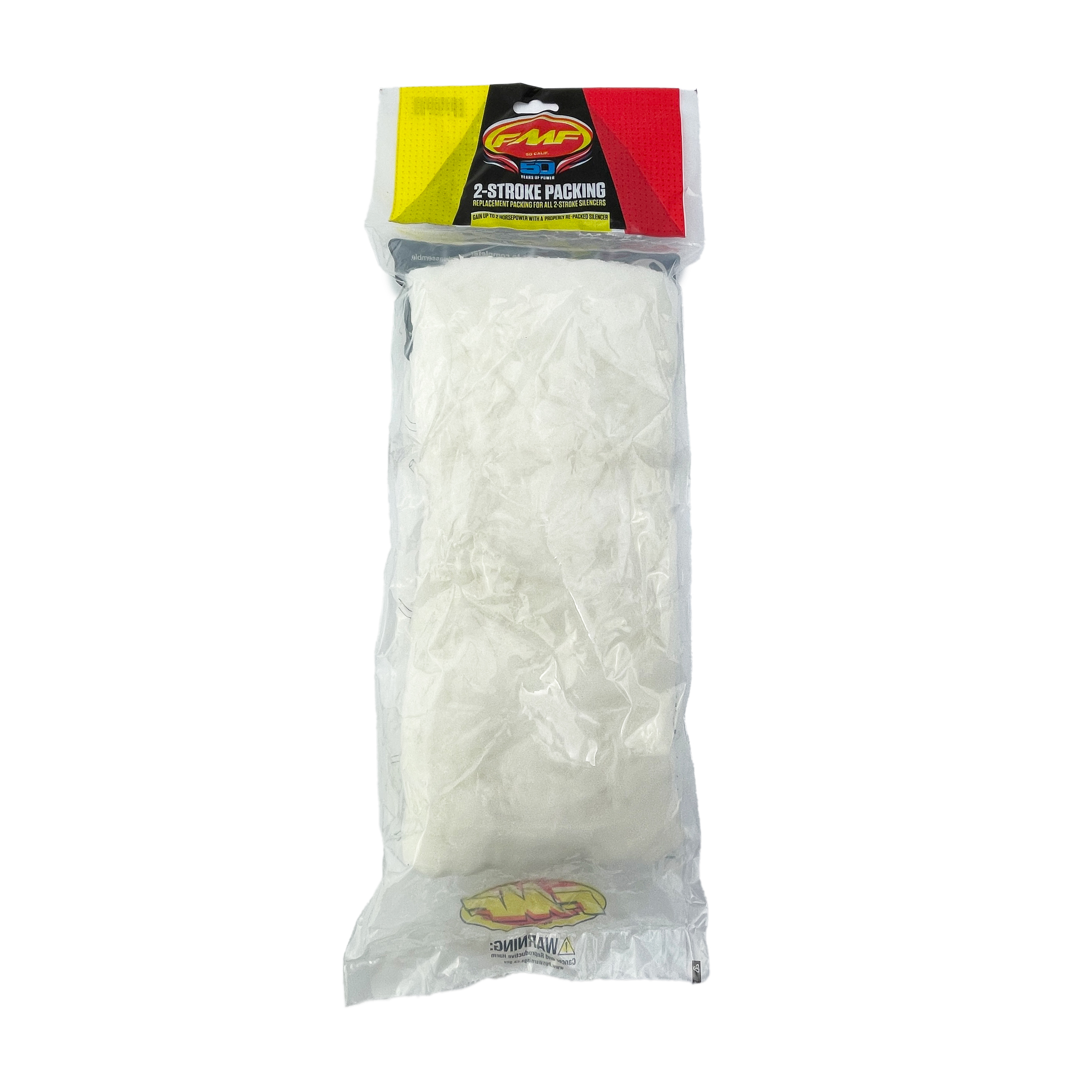
2-Stroke Exhaust Silencer Packing - FMF 010589

75mm EXHAUST SPRING SILVER BZP
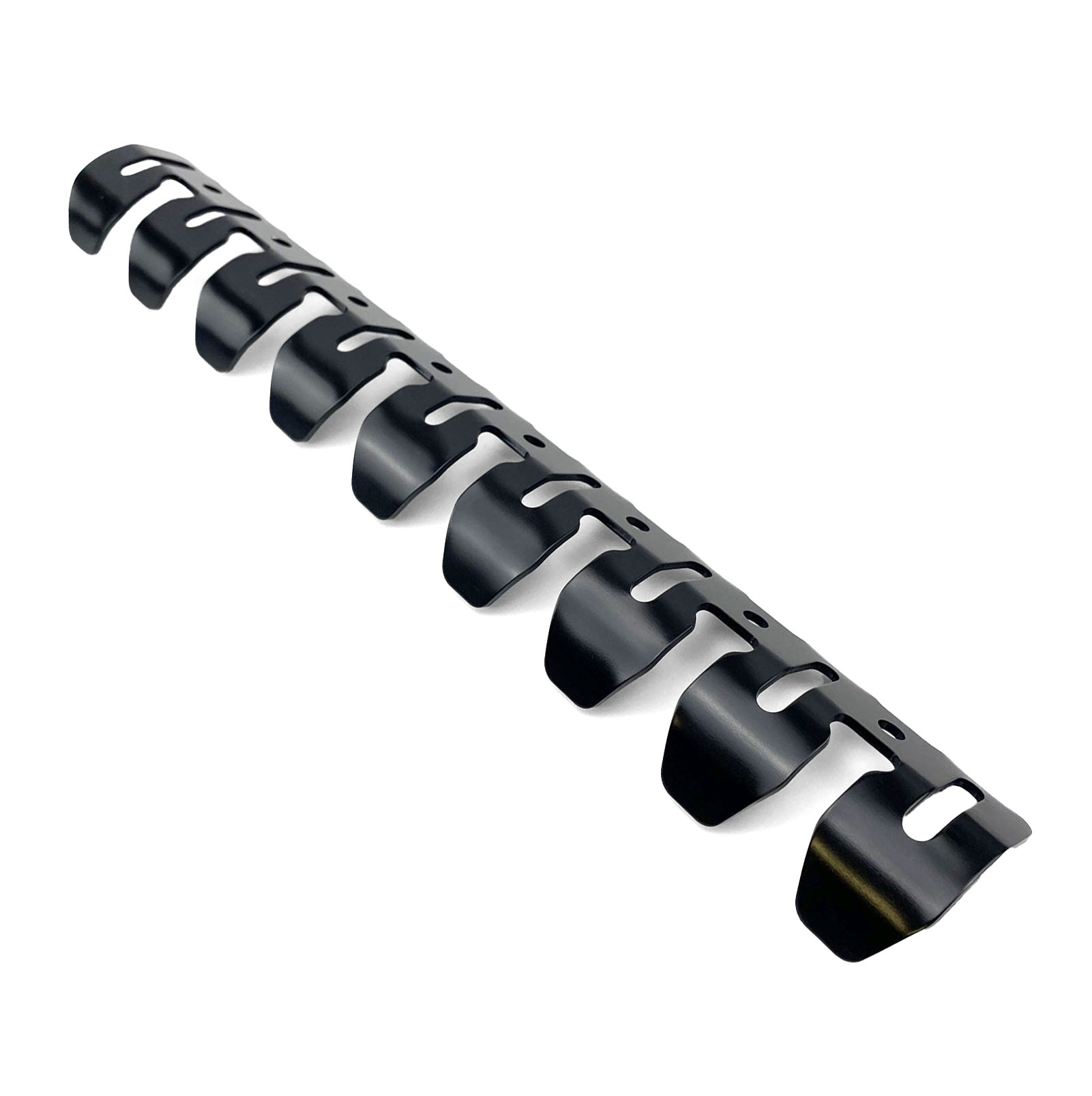
HEADER PIPE PROTECTOR 4stk., FINISH: ANODIZED BLACK, FIR BRAND 4 Stroke Exhaust Guard
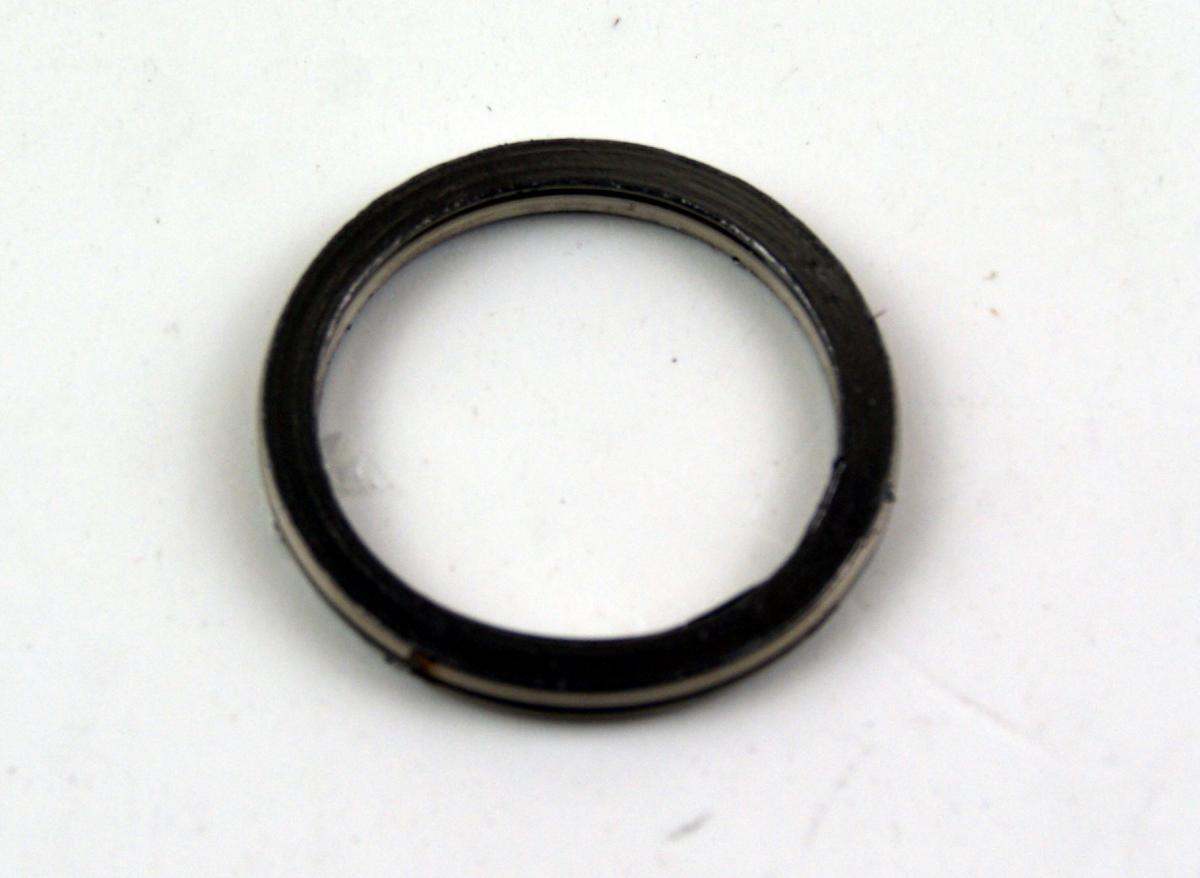
GASKET JOINT EXHAUST HEADER, 11009-1894, KVF650 VN15000, AT-02216
EXHAUST COPPER GASKET 75-22 HONDA/YAMAHA, PSYCHIC AT-02214 ROAD/ATV/DIRT
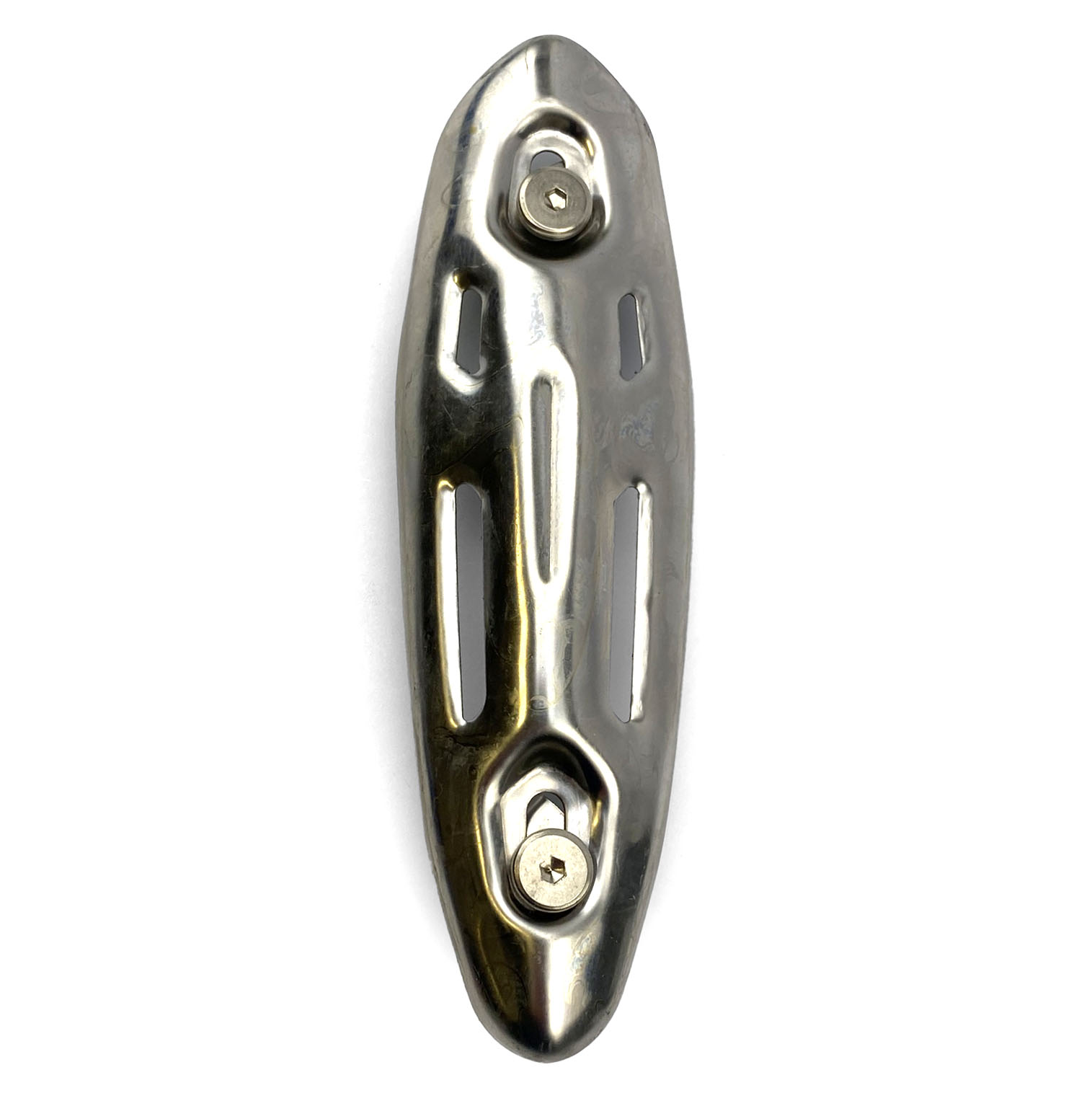
UNIVERSAL HEADER SHIELD
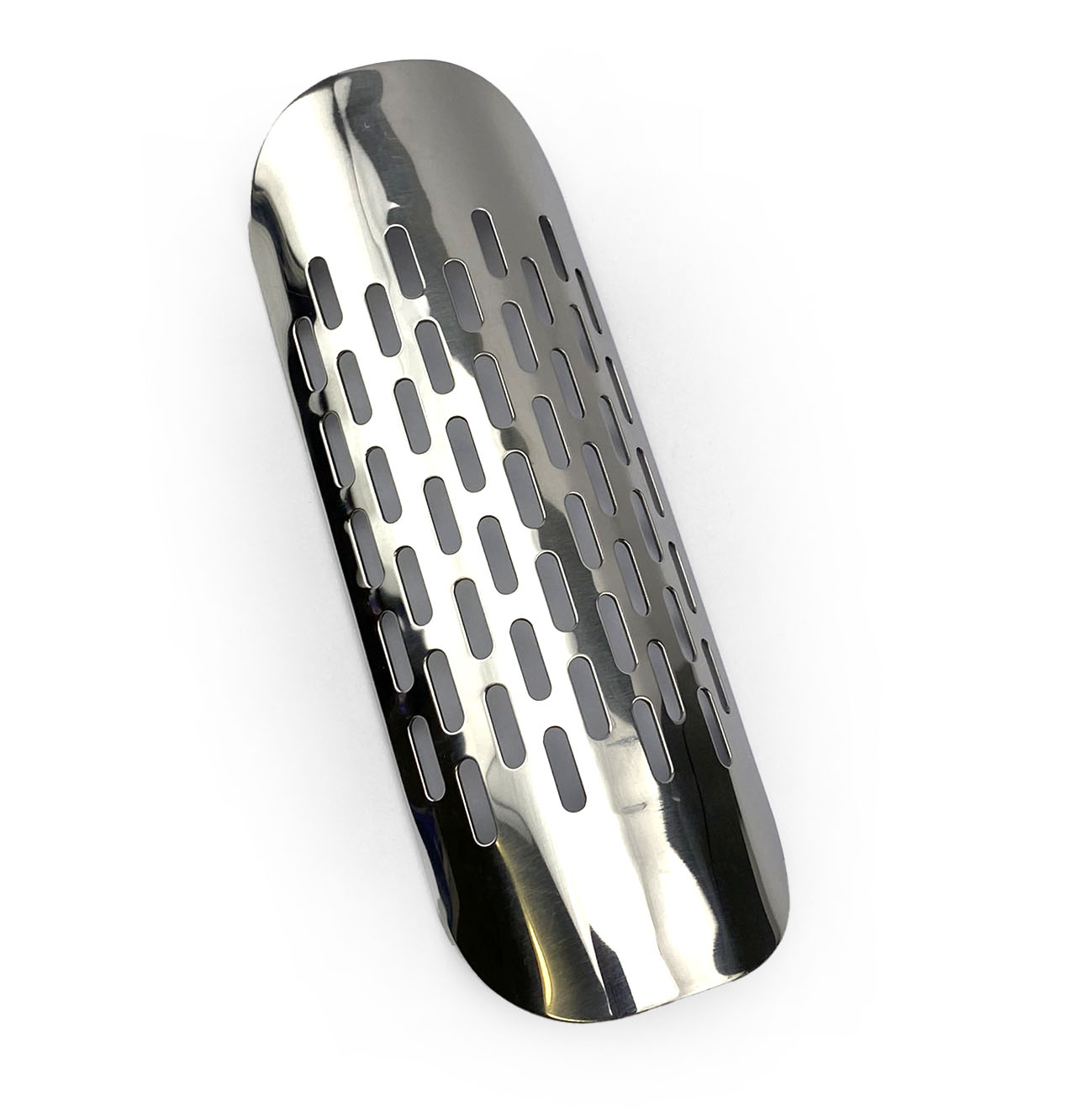
EXHAUST PIPE PROTECTOR CHROME
FAQ
Do lightweight motorcycle exhausts always increase power?
No. Weight reduction is often noticeable, but power gains depend on system design and fuelling setup. Without correct tuning, gains may be small or inconsistent.
Is ECU remapping always required after an exhaust upgrade?
Not always, but many bikes benefit from mapping adjustments when flow changes significantly. If the bike runs rough, pops heavily, or loses mid-range smoothness, review fuelling and check for leaks.
Can I improve an old exhaust without buying a full system?
Yes. Replacing silencer packing, springs, and gaskets often restores response and noise control. Maintenance parts are frequently the highest-value first step.
What causes exhaust popping after a new silencer install?
Common causes are joint leaks, worn header gaskets, or fuelling mismatch. Check seals and spring tension first, then assess mapping or jetting.
Are lightweight exhaust systems road legal in the UK?
Some are and some are not. Always verify the exact system specification and local legal requirements before road use. Trackday noise rules can also differ by circuit.
Which supporting parts should I replace with a new exhaust setup?
At minimum, inspect or replace silencer packing, springs, and exhaust gaskets. Also check header protection, mount alignment, and fastener condition after initial heat cycles.