
Restoration
Best Places to Buy Vintage Motorcycle Parts in the UK: A Restoration Sourcing Guide
A long-form UK guide for sourcing vintage motorcycle parts. Learn how to buy classic bike gaskets, oil seals, bearings, carburetor parts, and fasteners with fewer compatibility mistakes and less restoration downtime.
Why vintage motorcycle restorations fail at the sourcing stage
Most vintage restoration delays do not start with difficult engine work. They start with poor parts sourcing, incomplete kits, and fitment assumptions based on old forum posts instead of verifiable part data.
Classic bikes often carry years of mixed repairs. One machine may include non-original fasteners, swapped internals, or pattern parts from previous rebuilds. That means title-only purchasing is risky even when the model name appears correct.
The best place to buy vintage motorcycle parts in the UK is not simply the cheapest listing. It is a supplier that gives enough product detail to verify fitment, part scope, and service compatibility before you pay.
Build your restoration shopping list by systems, not random items
A common restoration mistake is ordering one part at a time as problems appear. This creates repeated shipping costs and long periods where the project stalls waiting for small missing items.
A faster approach is to build your parts list by mechanical system. Group gasket sets, oil seals, and bearings first. Then move to fueling and ignition service parts. Finally complete fasteners and finishing hardware.
System-based ordering plan for vintage motorcycle projects
| System | Priority parts | Why this sequence works |
|---|---|---|
| Engine sealing | Gasket sets, oil seals, RTV gasket maker | Prevents rework caused by early leaks |
| Rotating and rolling components | Bearings, wheel bearing kits, relevant seals | Restores safe movement before cosmetic work |
| Fuel and ignition | Petcock parts, carburetor service items, points | Improves startup and tuning consistency |
| Hardware and final assembly | Fixings, nuts, bolts, retention hardware | Completes reliable final build without delays |
How to evaluate vintage parts listings before checkout
Strong listings for classic bike parts should include dimensions, OEM references, compatible model ranges, and clear notes about kit contents. If these fields are missing, wrong orders become more likely.
For gasket and seal work, confirm whether the listing is a full set or a limited sub-set. For bearings, confirm exact dimensions and seal type. For fuel and ignition parts, verify connector style or mounting references where relevant.
Quick validation checklist for classic bike part listings
| Part type | What to verify | High-risk mistake |
|---|---|---|
| Gaskets and sealants | Full set vs partial set, material notes, compatibility range | Ordering top-end only when full engine sealing is needed |
| Oil seals | Inner and outer diameter plus thickness | Near-match dimensions that fail under load |
| Bearings | Exact size code and sealing format | Using generic description instead of dimensional match |
| Fuel and ignition components | Part references, mount style, and year range | Assuming all classic variants share the same specification |
NOS versus modern replacement parts in real restorations
New old stock can be valuable for originality, but age itself can degrade rubber compounds, diaphragms, and some sealing materials. In many reliability-focused builds, modern high-quality replacements are the safer option.
For safety and reliability systems, choose function over nostalgia. A dependable modern seal or bearing is often better than an old boxed part with unknown storage history.
- Use NOS selectively for trim and authenticity-critical components
- Prefer fresh sealing materials for engines and driveline systems
- Measure old removed parts before ordering replacements
- Keep a project log with successful fitment references
- Avoid mixing unknown hardware grades in structural assemblies
Real UK inventory categories that support vintage projects
This guide links active inventory in gasket, oil seal, bearing, carburetor, and fastener categories so restoration work can be planned as complete batches instead of emergency one-off orders.
The included related products focus on practical workshop needs: classic contact breaker points, petcock service parts, gasket maker, oil seals, core bearings, and wheel bearing kits used in restoration and recommissioning workflows.
A repeatable buying process for future vintage builds
Once a classic bike is finished, your sourcing work should become easier, not harder. Keep a concise spreadsheet of fitted part numbers, dimensions, and supplier notes for the next service cycle.
Over time, this record becomes your private compatibility database. It reduces guesswork, protects budget, and makes each future restoration project faster and more predictable.
Related products
Parts mentioned in this guide that are available in our catalogue right now.
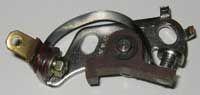
CONTACT BREAKER POINTS 73-80 HONDA KAWASAKI 185 200 400 440 550 650 750 900 1000 CM KZ Z1 08-0012 20-5046
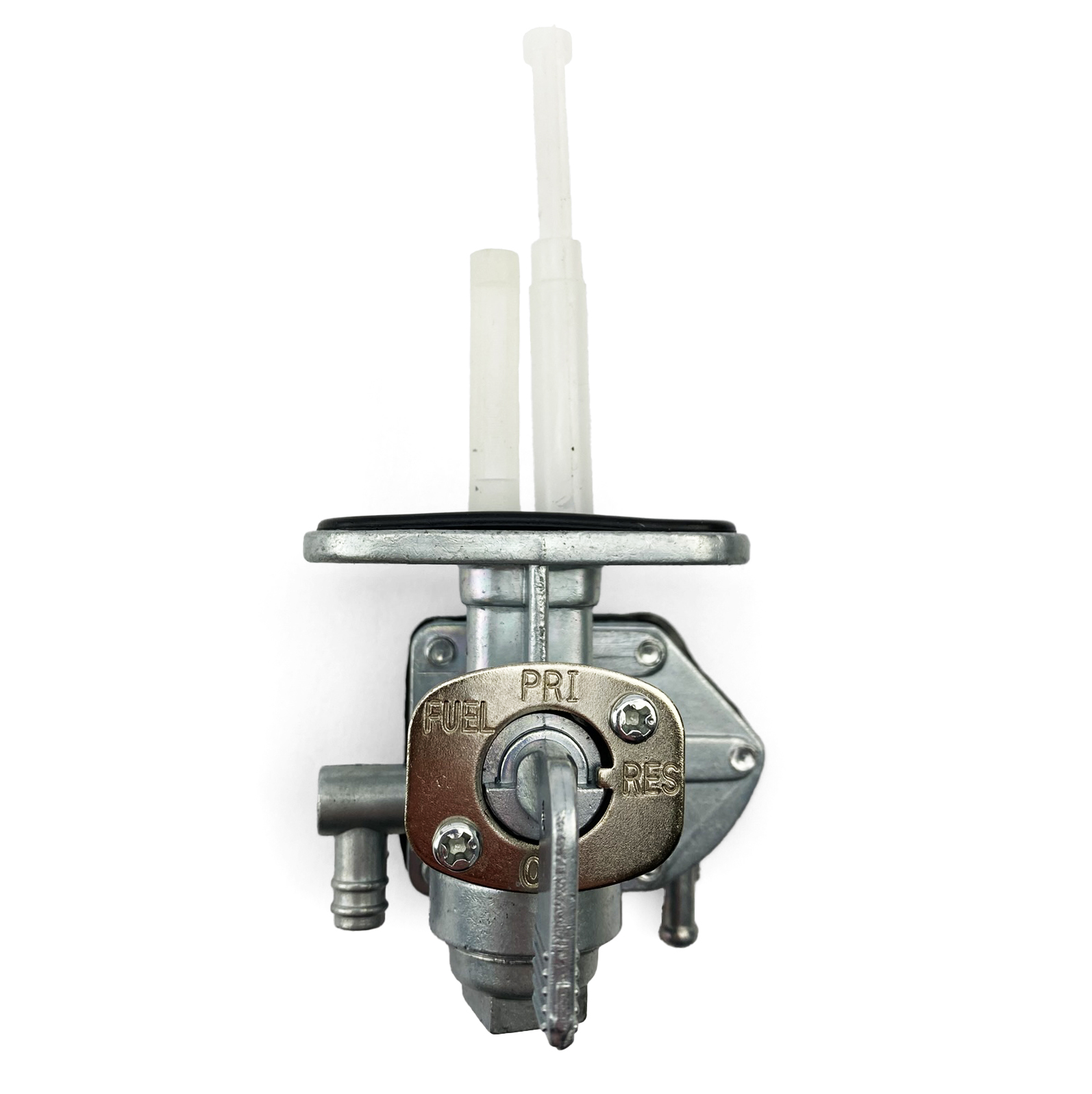
FUEL TAP PETCOCK WITH DIAPHRAGM 87-06 KAWASAKI SUZUKI LT80 51023-S006 44300-40B00
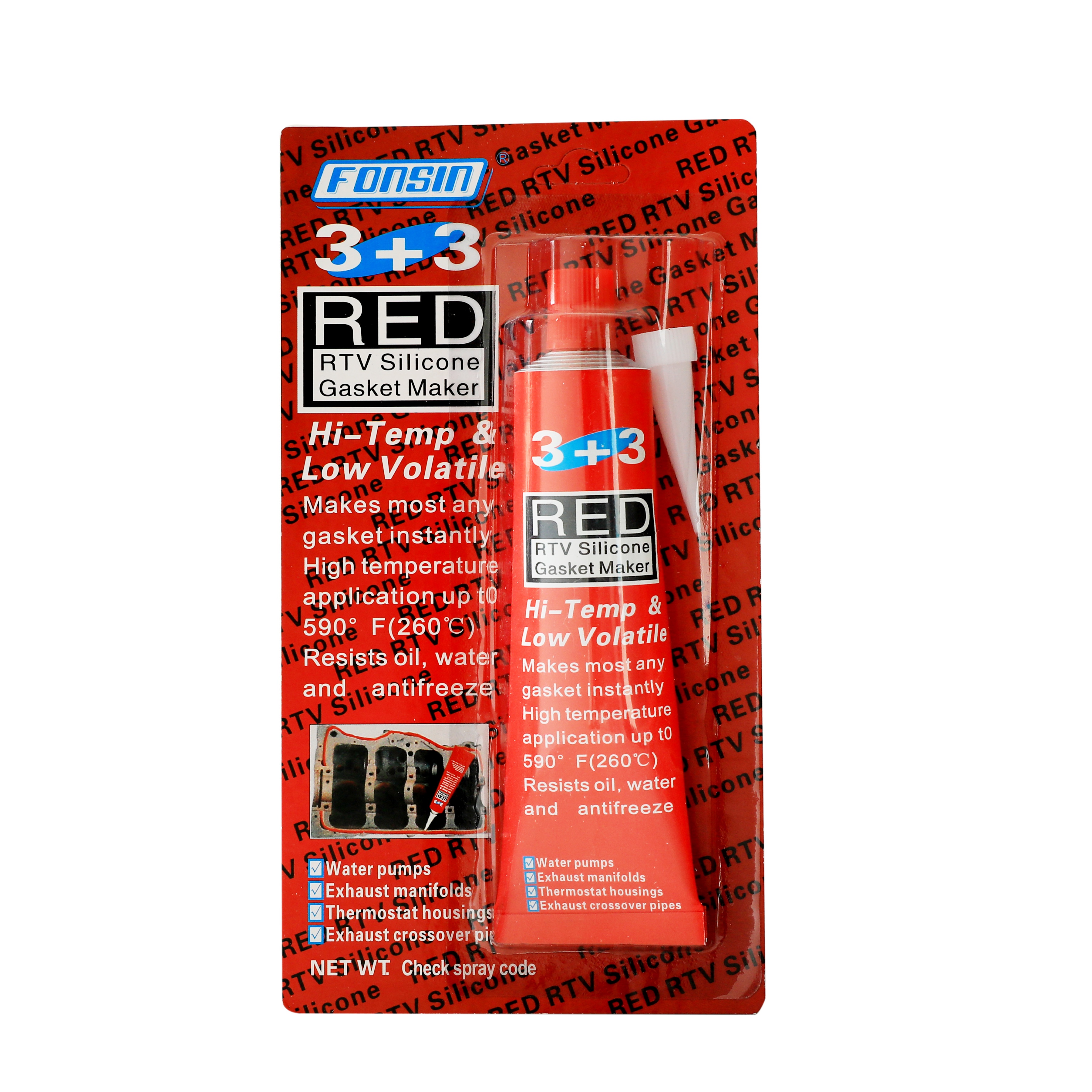
GASKET MAKER HI TEMP RED RTV SILICONE 100g
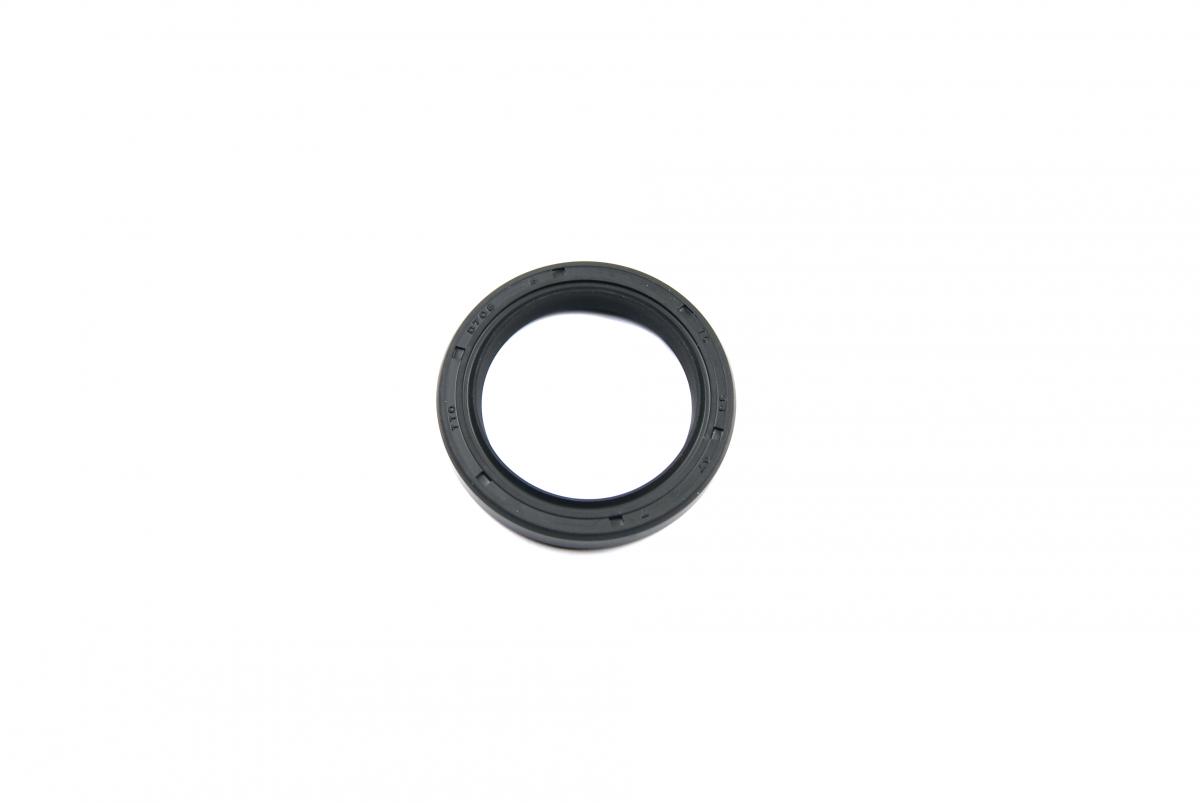
OIL SEAL 35x47x7 TC NBR EACH, 30-4714 0760354773, 0760354771, !!!KIT'S!!! DIRT RACING
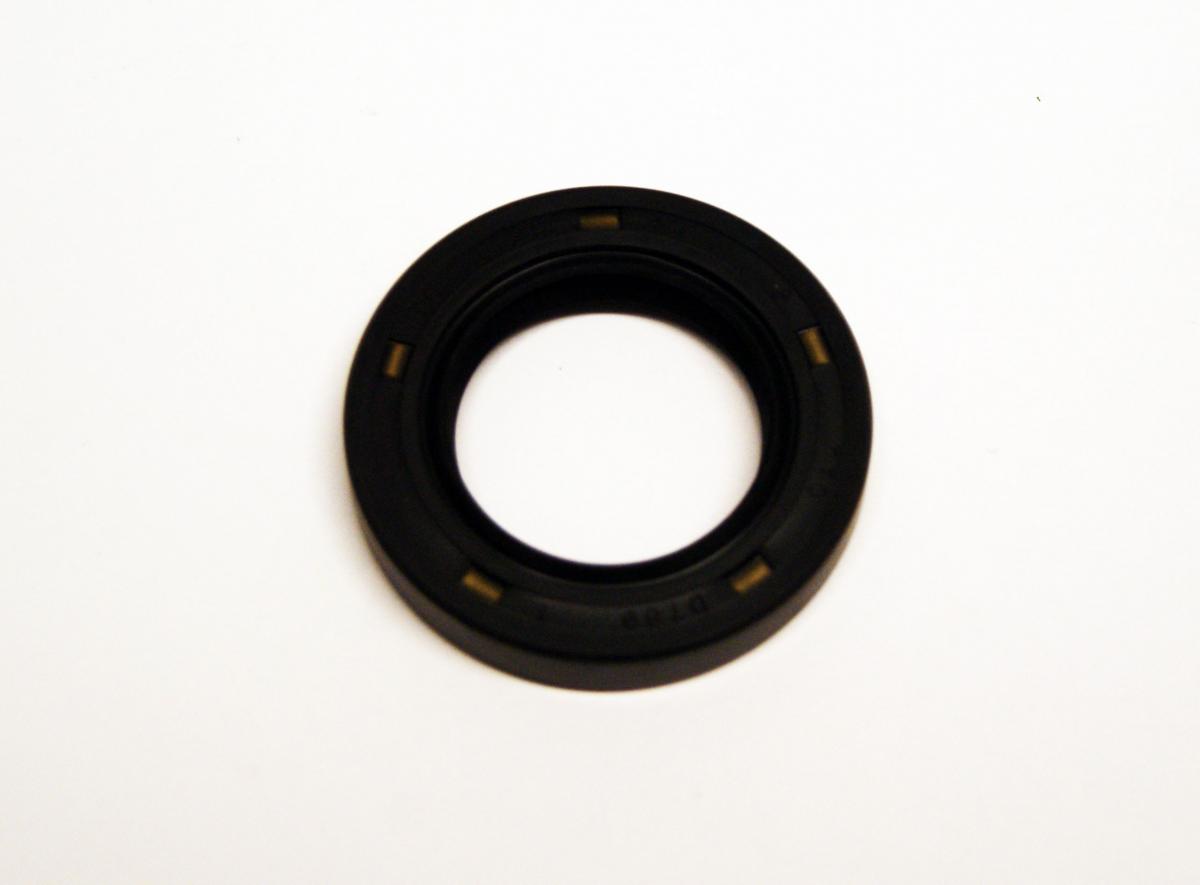
OIL SEAL 29x47x8 TC TWIN LIP, 91253-200-000 HONDA, MC-09540, PROX 41.3-29002
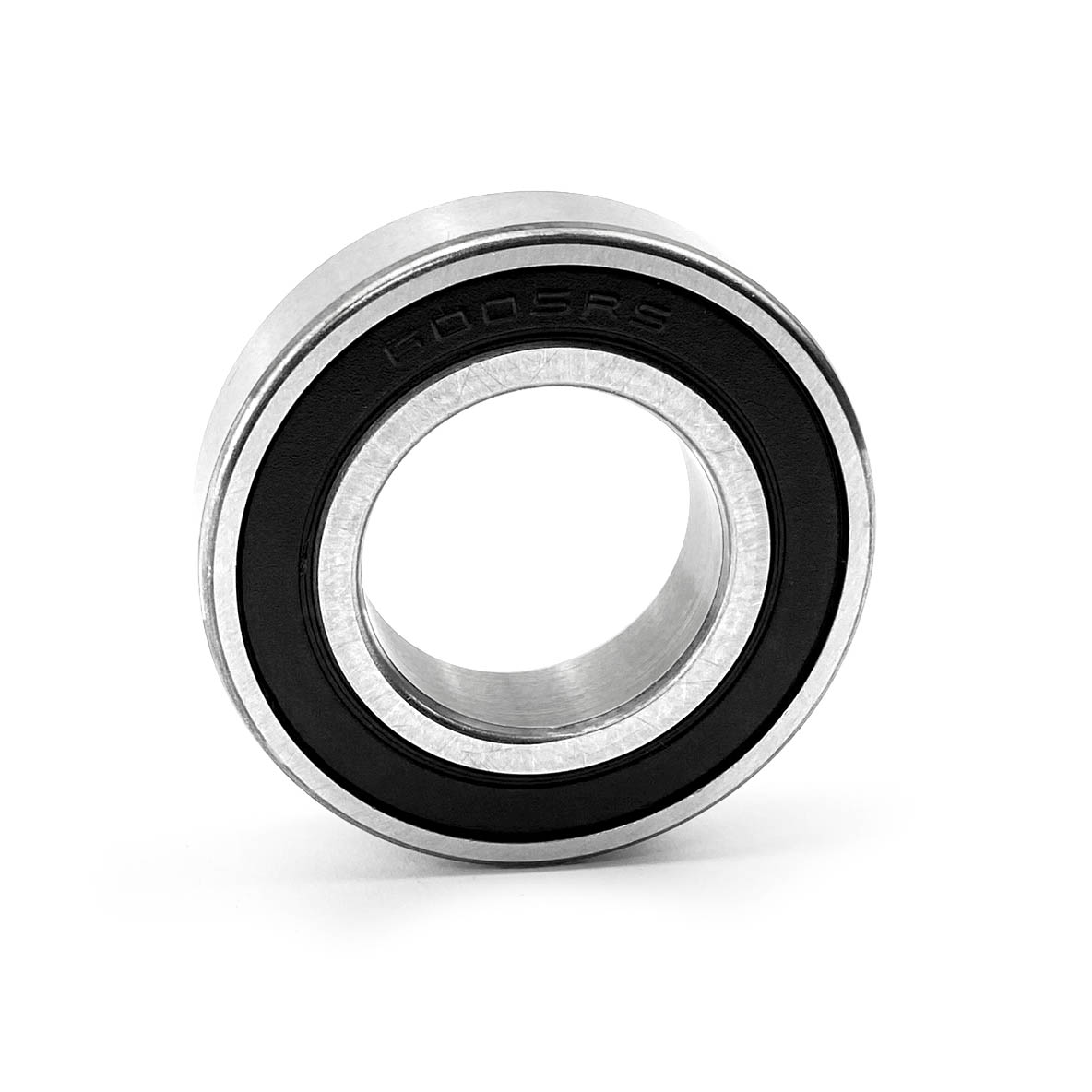
BEARING 6005 2RS DIRT RACING 25x47x12 SIZE SEALED EACH
BEARING 6204 2RS DIRT RACING 20x47x14 SIZE SEALED EACH
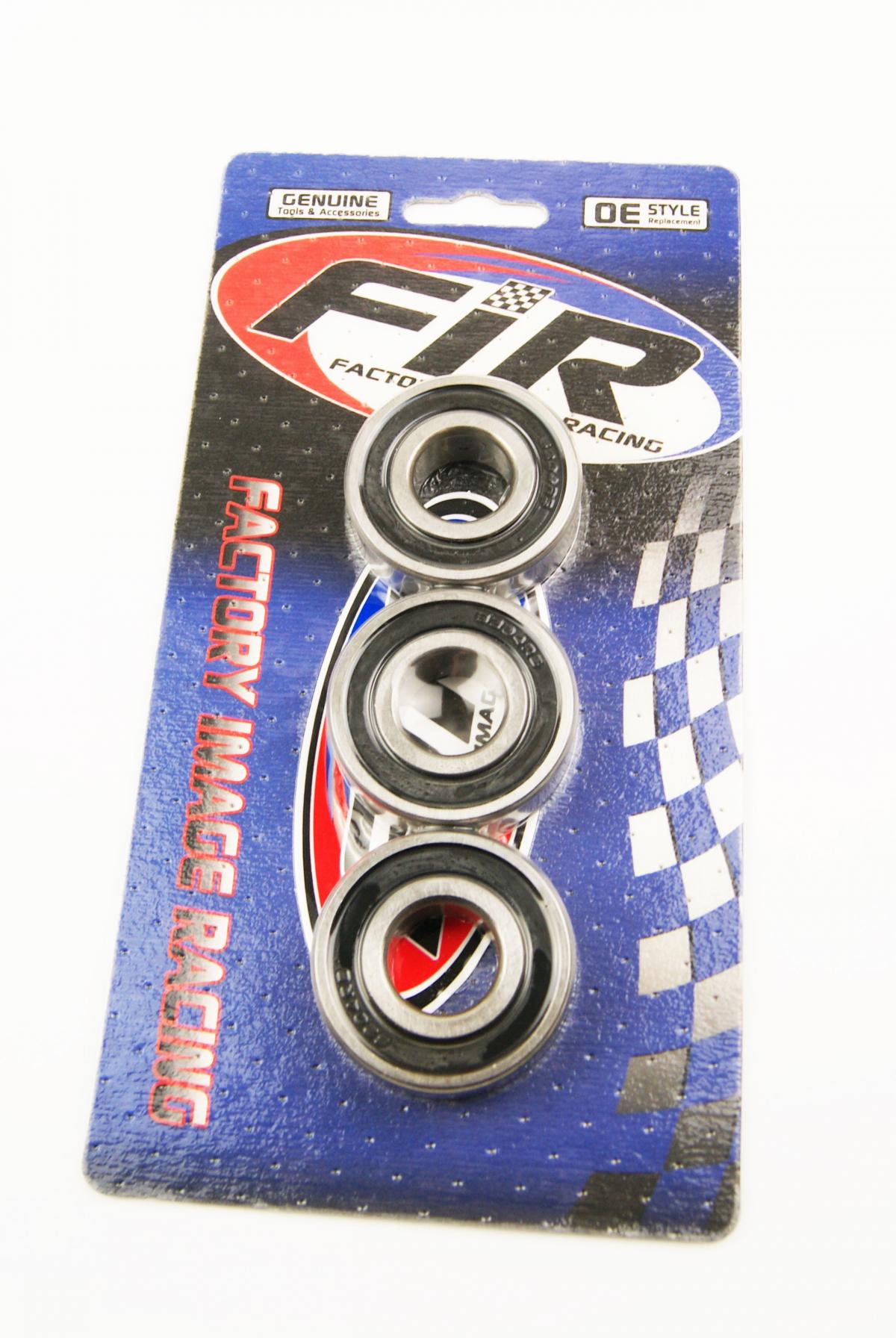
WHEEL BEARING KIT FRONT REAR, HONDA SUZ, ROAD
FAQ
Is NOS always better for vintage motorcycles?
No. NOS can be excellent for originality, but age can degrade rubber and sealing components. For reliability, fresh modern replacements are often the better choice.
What should I buy first when restoring a dormant classic bike?
Start with sealing and reliability systems: gaskets, oil seals, bearings, fuel control parts, and essential service consumables. This reduces rework later in the build.
How do I avoid ordering the wrong oil seal for a vintage bike?
Verify exact dimensions and application details, not just model name. Cross-check old part markings and confirm thickness as well as diameter.
Should I order parts one by one during restoration?
System-based ordering is usually better. Group related parts by subsystem to reduce delays, extra shipping costs, and incomplete rebuild phases.
Are generic bearings acceptable for classic restorations?
Only when the exact bearing specification matches required dimensions and seal type. Precision fit matters more than generic category labels.
What records should I keep during a vintage restoration?
Log fitted part numbers, dimensions, supplier details, and install notes. This creates a reliable reference for future maintenance and additional projects.