
Safety
Best Motorcycle Tires for Wet Weather Riding in the UK
A detailed UK wet-weather tyre guide for motorcycle riders. Learn how to choose tread patterns, compounds, tubes or mousse setups, and supporting wheel hardware for safer riding in rain and low-grip conditions.
Wet weather riding in the UK starts with tyre choices
UK roads are rarely dry for long. Even in summer, riders see damp mornings, polished junction paint, diesel residue, and sudden showers. In these conditions, your tyre setup does more for confidence and stopping distance than almost any other upgrade.
The best wet-weather motorcycle tyre is not always the one with the most aggressive marketing. It is the one that warms predictably, clears water effectively, and maintains stable feedback when the surface changes every mile.
This guide focuses on practical setup decisions for UK riders, including tyre type, tube or mousse choice, and supporting hardware that keeps the wheel package reliable in rain.
What makes a tyre good in the wet
Wet grip comes from a combination of compound, tread design, carcass behaviour, and pressure control. No single factor wins on its own.
For mixed UK riding, you want predictable warm-up and clear feedback before the limit. A tyre that feels calm and communicative often outperforms one with higher dry grip claims but poor wet behaviour.
Core wet-weather tyre factors for UK riders
| Factor | What to look for | Why it matters in rain |
|---|---|---|
| Compound behaviour | Stable grip when cold to warm | UK weather changes quickly during one ride |
| Tread pattern | Channels that move standing water effectively | Reduces hydroplaning risk on motorway grooves and puddles |
| Carcass feel | Predictable feedback at lean and on braking | Helps rider react before sudden slide |
| Pressure stability | Set and checked regularly for conditions | Incorrect pressure kills wet grip and tyre life fast |
| Wheel setup health | Good valves, tubes, rim locks, and bearings | Prevents pressure loss and instability in bad weather |
Tyre types for road, trail, and enduro in wet conditions
Road-biased riders usually need confidence on cold wet tarmac and painted surfaces. Enduro and off-road riders need traction in mud, roots, wet rock and soft ground. One tyre cannot excel in all of these at once.
In the current catalogue, Borilli FIM enduro options in front and rear sizes provide one practical route for riders who prioritize off-road wet traction. Pairing the front and rear with correct pressure and support hardware is more important than chasing a single headline spec.
For mixed use, focus on consistency and confidence, not ultimate dry corner speed.
Wet-condition tyre strategy by riding style
| Riding style | Priority | Setup focus |
|---|---|---|
| Road commuting | Predictable grip in cold rain | Correct pressures, healthy valves, and regular tread checks |
| Weekend B-road riding | Confidence over mixed grip surfaces | Balanced pressure and smooth throttle/brake control |
| Enduro and trail | Traction in mud and wet terrain | Appropriate tyre pattern with tube or mousse setup |
| Mixed road to trail | Usable compromise and durability | Match tyre choice to most frequent terrain, not rare use case |
Tubes, mousse, valves, and rim locks matter as much as the tyre
Many wet-weather problems blamed on tyres are actually wheel setup issues. Slow pressure loss from poor valves, damaged tubes, or loose rim hardware can make a good tyre feel unpredictable in one ride.
Standard duty inner tubes in matched sizes remain a practical default for many riders. For dedicated enduro use, mousse options can provide consistent feel and eliminate puncture risk, with the tradeoff of installation effort and maintenance style.
High-stock items like TR413 tubeless valves, tyre rim-lock bolts, and rim strip tape are low-cost parts that can prevent high-cost ride disruptions.
- Replace suspect valves before wet season starts
- Use tube size that matches tyre and rim dimensions
- Check rim lock torque and condition after hard rides
- Inspect rim strips to avoid spoke-nipple tube damage
- Treat wheel hardware as service items, not lifetime parts
Pressures and pre-ride checks for rain
Internet pressure numbers are rarely transferable bike-to-bike. Use manufacturer guidance as your baseline, then adjust within safe limits for rider weight, load, and terrain.
In wet weather, small pressure errors can have outsized effects on confidence. Under-inflation can make steering vague and unstable at speed. Over-inflation reduces contact patch and makes the bike skate over painted lines and tar snakes.
Check pressures cold before every wet ride. Repeat after major temperature shifts and after any impact that could have damaged rim or valve components.
When to replace tyres for wet safety
Do not wait for complete wear-out if your wet confidence has already dropped. Tyres that still look acceptable in dry conditions can feel nervous in rain once the profile flattens or the edges harden.
If the bike starts standing up under light brake input in the wet, feels vague on motorway grooves, or loses feedback over normal damp patches, inspect immediately.
Replace as a set where possible for balanced behaviour, especially if both tyres are from the same wear cycle.
- Replace early if profile is squared and wet turn-in degrades
- Inspect sidewalls and valve area for weather-related cracking
- Check wheel bearing play if handling feels unstable
- Do not push mileage when wet handling becomes unpredictable
Practical UK buying plan for wet season
Build one wet-season basket instead of ordering reactively after each issue. Include tyre, tube or mousse, valve hardware, and wheel consumables in one order so setup can be done properly once.
This approach reduces courier costs, workshop downtime, and the chance of fitting a new tyre on old support parts that fail a week later.
A reliable wet setup is built, not guessed. If the bike feels planted and predictable in poor weather, you can ride smoother and safer in every condition.
Related products
Parts mentioned in this guide that are available in our catalogue right now.
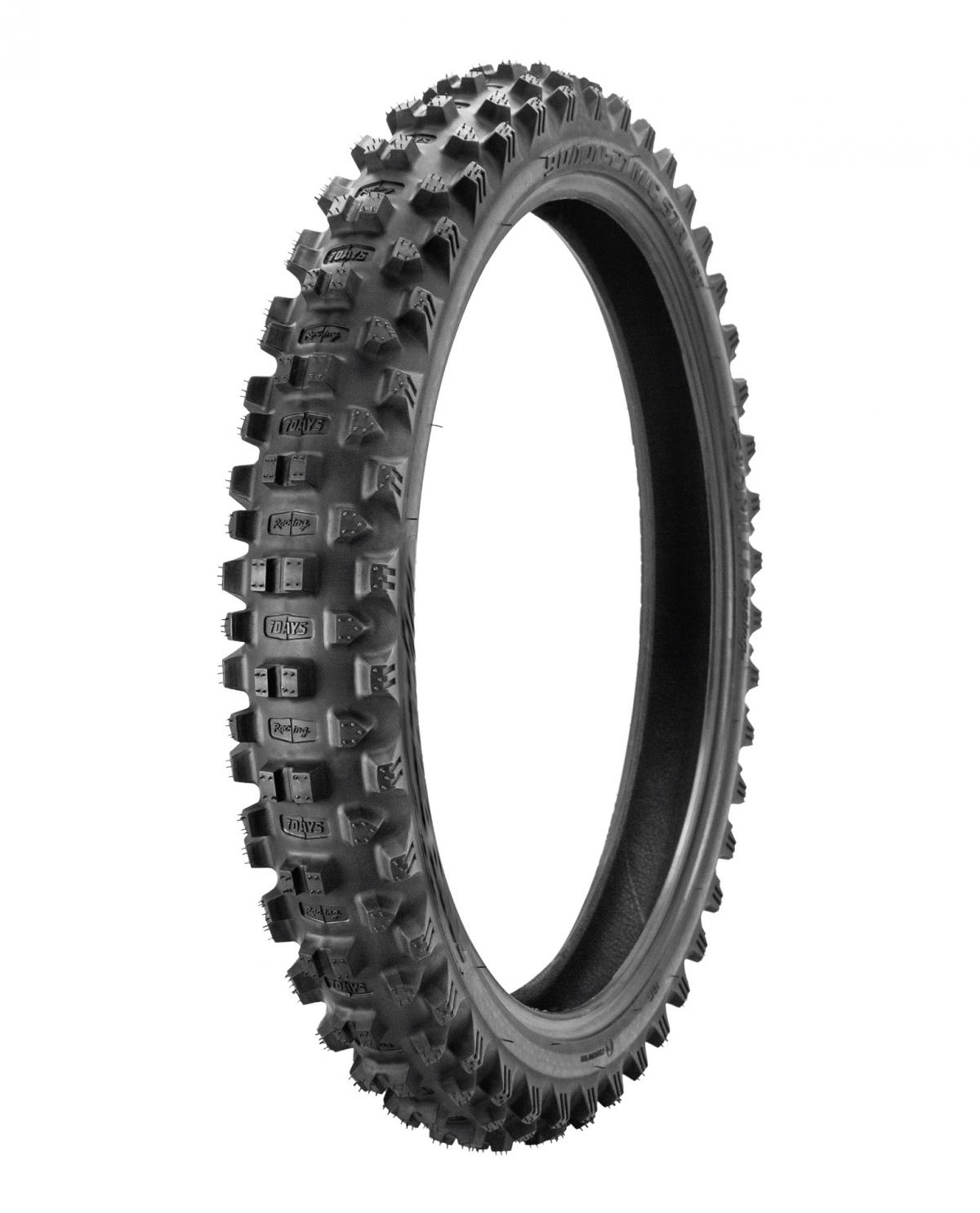
21-90/100 BORILLI FIM ENDURO TYRE, 7 DAY ENDURO FRONT MEDIUM
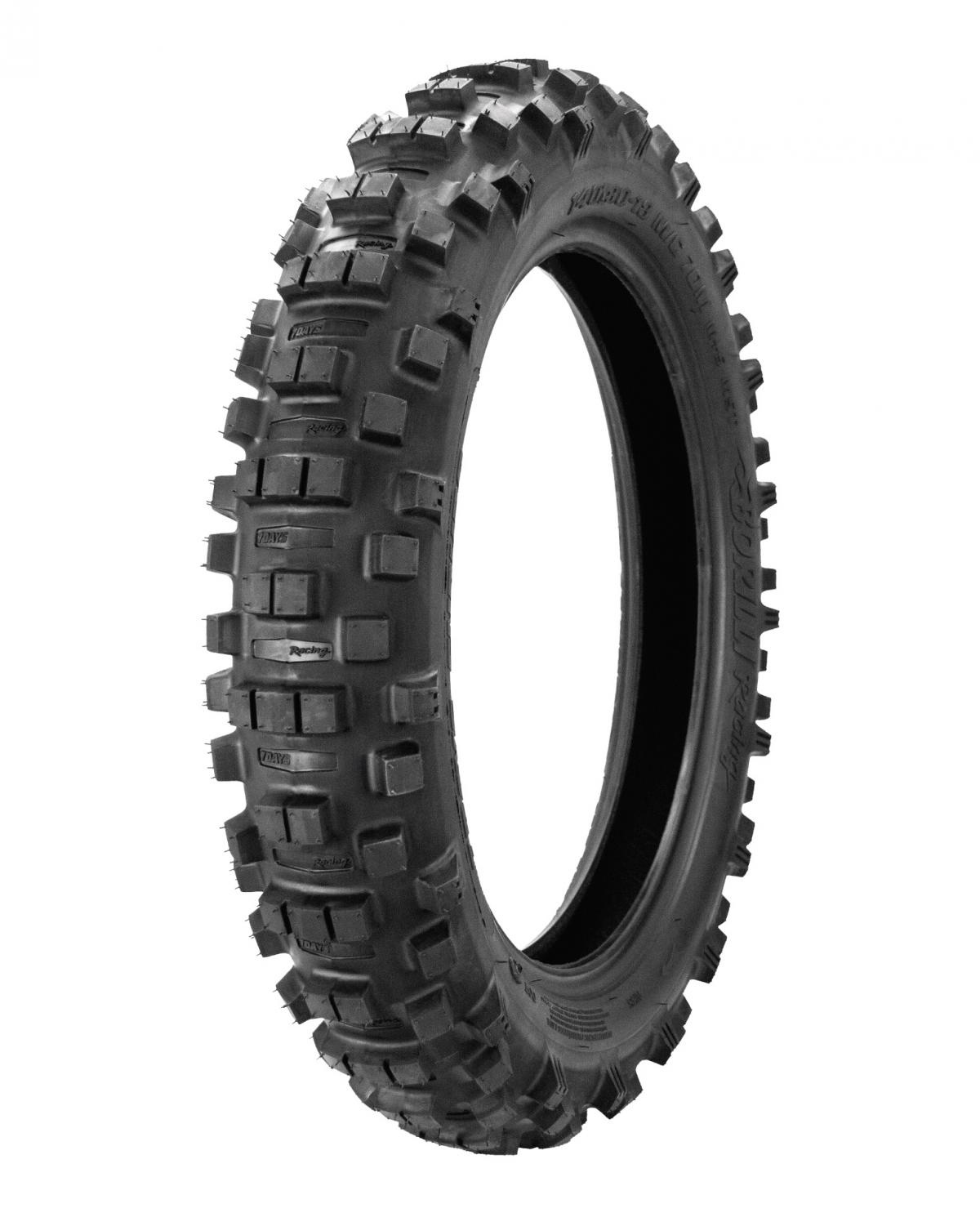
18-140/80 BORILLI FIM ENDURO TYRE, 7 DAY ENDURO REAR MEDIUM
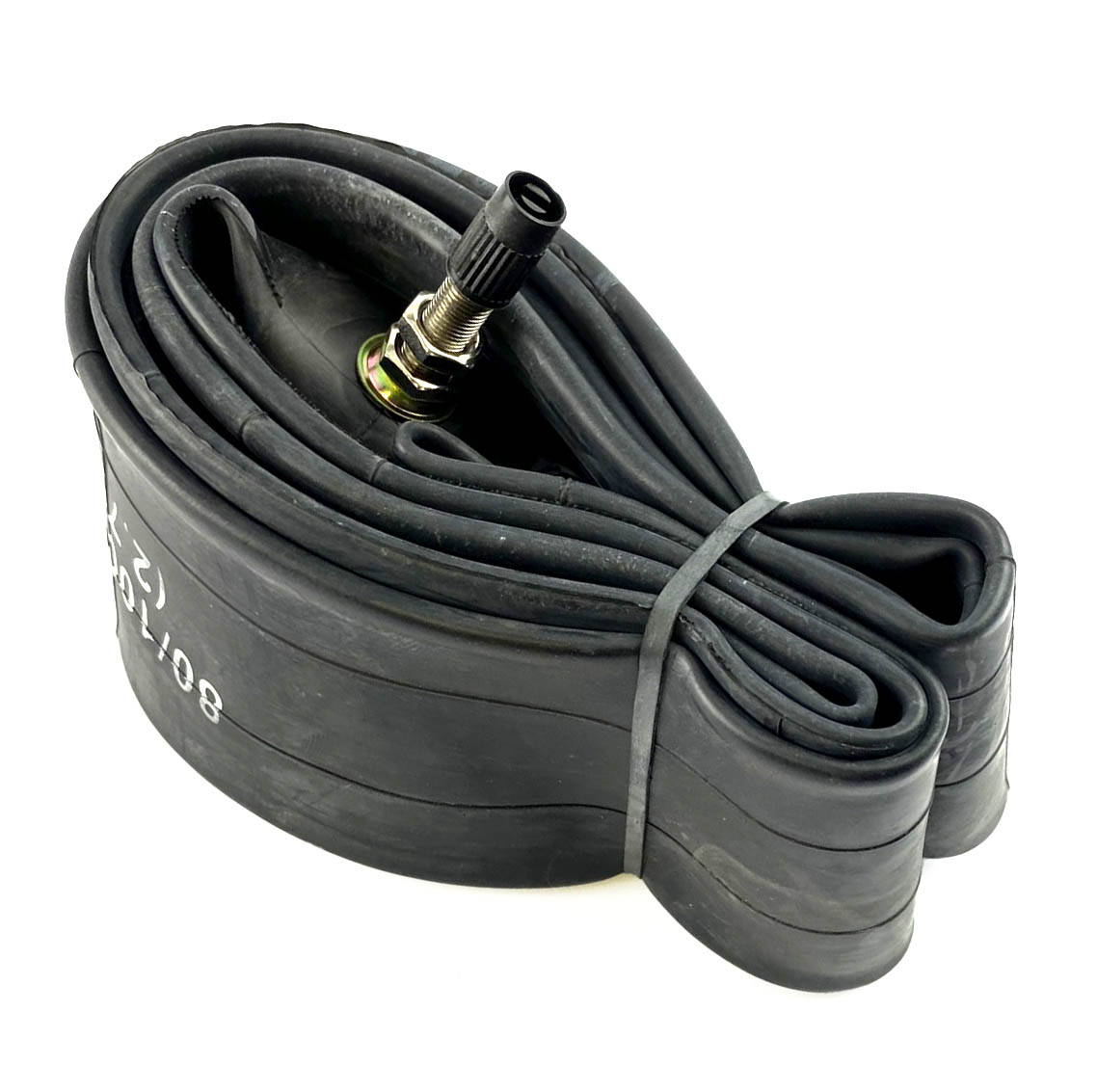
STANDARD DUTY INNER TUBE 21-2.75/3.00 21x90/90 21x80/100 21x70/110 TR4 VALVE
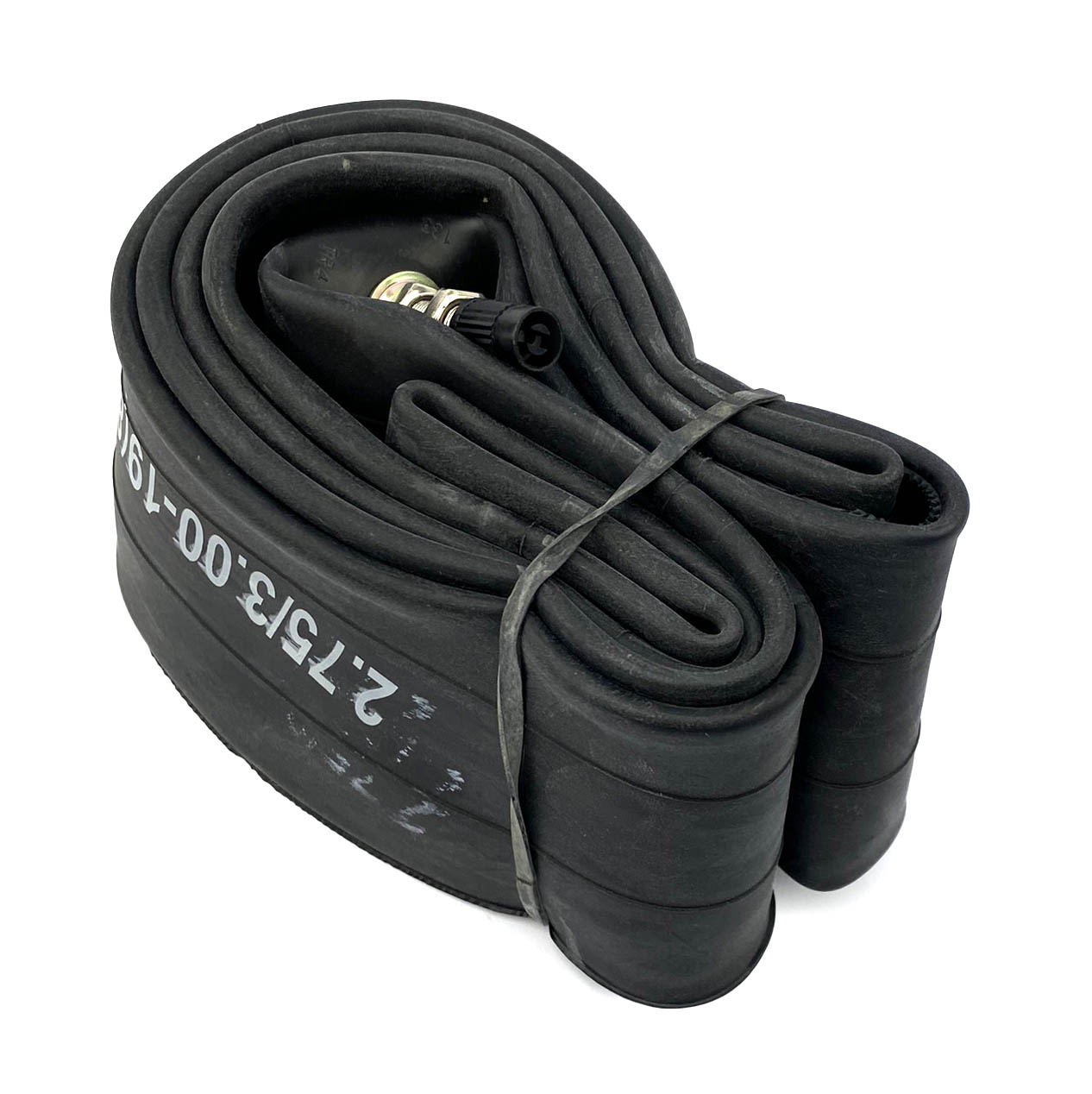
STANDARD DUTY INNER TUBE 19x80/100 19x90/90 19x2.75-3.00 TR4 VALVE
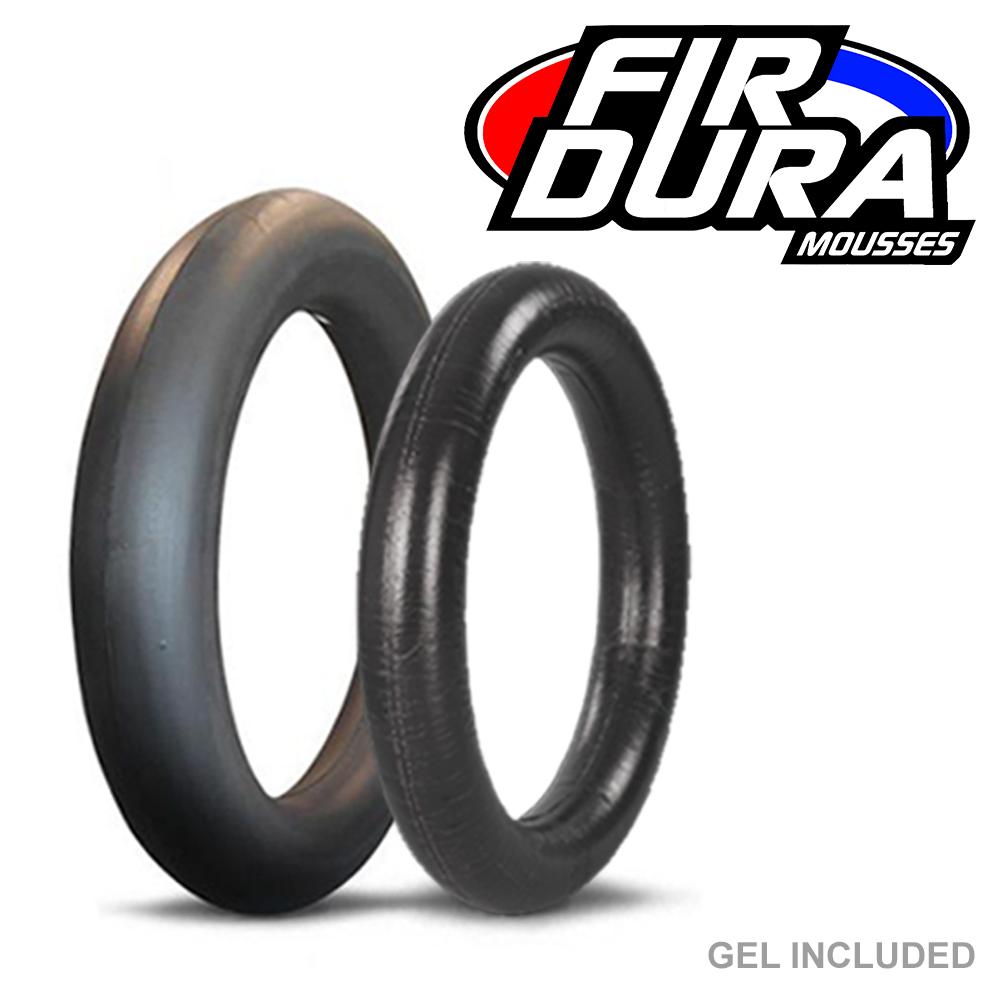
MOUSSE 21x90/90, 80/100 DURA ENDURO MOUSSE 0.8-0.9 BAR

TUBELESS TYRE VALVE 43mm TR413
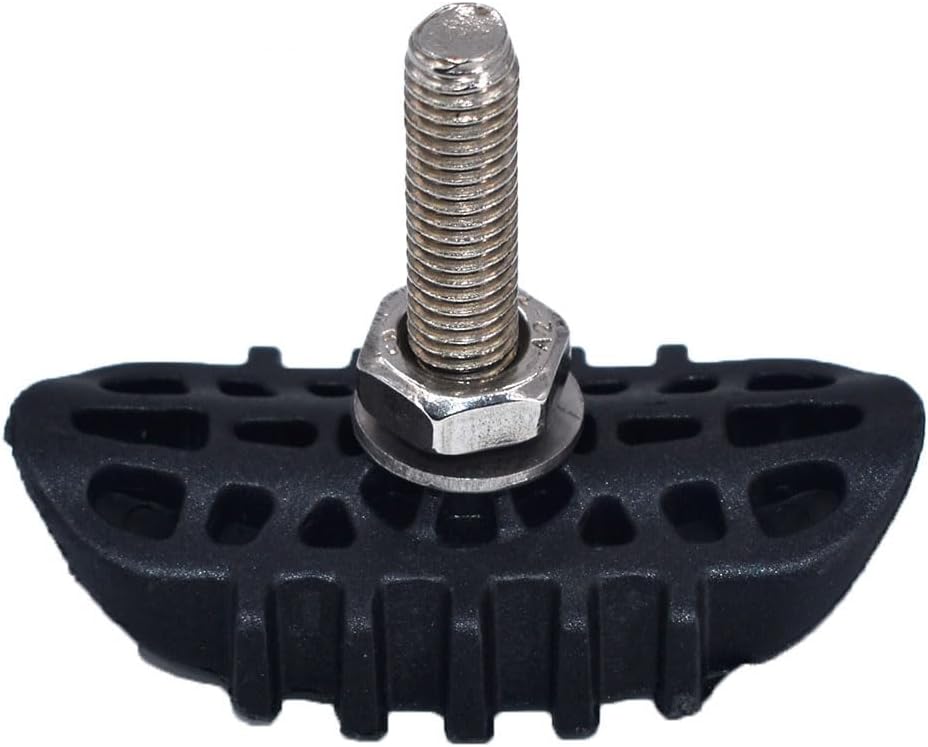
RIM LOCK TYRE BOLT 1.85
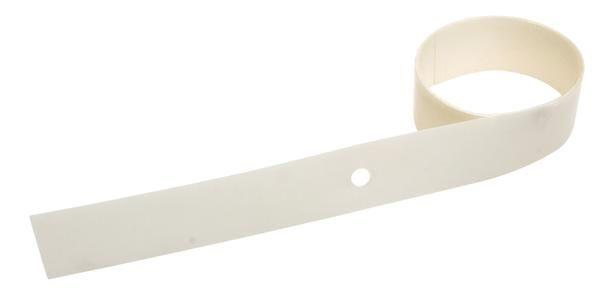
18/19 ARMOR RIM STRIP TAPE MOTION PRO 11-0062
FAQ
Are sport tyres always bad in UK wet weather?
Not always, but many aggressive dry-focused tyres are harder to trust in cold rain. For regular wet road use, prioritize predictable warm-up and stable feedback over peak dry grip claims.
Should I always match front and rear tyre models?
Usually yes. Matched sets are designed and tested to work together, which helps maintain balanced handling in low-grip conditions.
Do I need to change tubes when fitting new tyres?
It is often good practice, especially if the tube age is unknown. Fresh tube, valve, and rim hardware reduce pressure-loss risk during wet rides.
Is mousse better than tubes for wet off-road riding?
Mousse can provide consistent feel and puncture resistance in enduro conditions, but it requires correct fitment and maintenance habits. Tubes remain practical for many mixed-use riders.
What is the most common wet-weather tyre setup mistake?
Running incorrect pressure and ignoring wheel hardware condition. Even a good tyre performs poorly when pressure is wrong or valves and rim parts are worn.
When should I replace tyres if tread still looks acceptable?
Replace when wet confidence drops noticeably, handling becomes vague, or profile wear changes bike behaviour. Wet safety declines before full visual wear-out in many cases.