
Safety
Motorcycle Brake Caliper Setup for Heavy Cruisers: A Complete UK Stopping Guide
A long-form UK guide to motorcycle brake caliper setup for heavy cruisers and loaded touring bikes. Learn system matching, pad compound choice, caliper service priorities, and real in-stock brake parts for stable stopping performance.
Why heavy cruisers need a different braking mindset
Heavy cruisers and loaded touring bikes carry more mass and momentum than lightweight road machines. That changes what good braking feels like. Peak bite on paper matters less than stable, repeatable stopping through traffic, wet roads, and long downhill sections.
Caliper performance on a heavy bike is never isolated. Master cylinder ratio, hose condition, pad compound, disc health, and fluid quality all combine to create either confident modulation or vague, inconsistent lever feel.
For UK riders, the best cruiser braking setup is one that stays predictable in mixed conditions, not one that feels aggressive for the first stop and then fades under heat.
Service the caliper system before chasing upgrades
Many riders shop for bigger calipers when the real issue is neglected service. Sticking pistons, contaminated fluid, swollen hoses, and glazed pads can all mimic weak caliper performance.
A full brake service often delivers more improvement than a mismatched upgrade. Clean and inspect caliper bores, replace old seals where needed, flush fluid, and confirm disc thickness and pad bed condition before spending on new hardware.
Brake service priorities for heavy motorcycles
| Component | What to check | Typical heavy-bike symptom |
|---|---|---|
| Caliper pistons | Smooth movement and even retraction | Pulls to one side or drags after stops |
| Brake fluid | Age, moisture content, and correct DOT spec | Spongy lever and inconsistent bite |
| Brake hoses | Swelling, cracking, and firmness under pressure | Lever feels soft despite fresh pads |
| Pad compound | Match to bike weight and riding style | Grabby cold feel or fade under repeated use |
Pad compound choice matters more than caliper branding
On heavy bikes, pad compound selection strongly affects heat behavior and rider confidence. Sintered metal heavy duty pads are often a practical choice when riders need consistent friction under load and mixed weather use.
Semi-metallic or organic compounds can work in lighter use cases, but heavy cruisers frequently benefit from pad options designed for higher friction and thermal stability. Always match pad choice to disc specification and intended riding pattern.
Pad compound expectations for loaded road use
| Compound type | Strength | Best use case |
|---|---|---|
| Sintered metal heavy duty | Strong friction and heat tolerance | Heavy bikes, two-up riding, and touring loads |
| Semi-metallic | Balanced street feel | Moderate weight bikes with mixed commuting use |
| Organic or mineral | Gentle initial bite | Light use where heat buildup is limited |
System matching: caliper, master cylinder, hose, and disc
Caliper upgrades fail most often when the rest of the hydraulic system is ignored. A larger or newer caliper paired with a tired master cylinder or old hose line can feel worse than a properly serviced stock setup.
For touring and cruiser use, aim for balanced lever feel, predictable progression, and stable behavior after repeated stops. Master cylinder rebuild kits, quality brake hoses, and correct bleeding technique are core parts of that result.
- Flush and replace brake fluid on schedule, not only when brakes feel bad
- Inspect caliper pins, clips, and slide condition during pad changes
- Replace hoses that feel soft or show age-related swelling
- Rebuild master cylinder seals if lever travel increases gradually
- Bed new pads correctly to avoid uneven friction surfaces
Heat management and long-ride confidence
Heavy bikes convert more energy into brake heat during repeated slow-downs. Calipers and pads that manage heat poorly can lose feel just when riders need consistency most, such as approaching junctions after a long downhill section.
Good setup does not always mean maximum initial bite. Many experienced touring riders prefer controlled progression that remains stable over many stops, especially when carrying luggage or a pillion.
Real in-stock brake parts for cruiser and touring setups
This guide links active products that support heavy bike brake work: sintered heavy duty pads, caliper rebuild kits, bleeder tools, master cylinder rebuild kits, DOT4 fluid, brake hoses, and caliper hardware.
These are practical service and upgrade components that help you improve stopping performance through proper system preparation, not just headline caliper replacement.
Related products
Parts mentioned in this guide that are available in our catalogue right now.
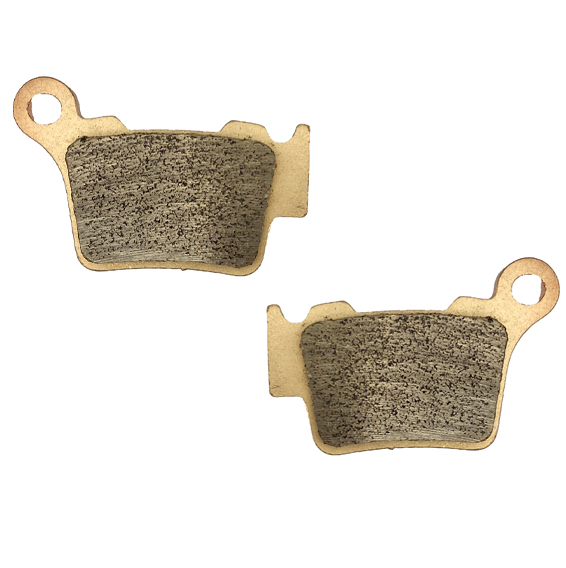
BRAKE PADS SINTERED METAL HD, DB2320-D BP032DDDB
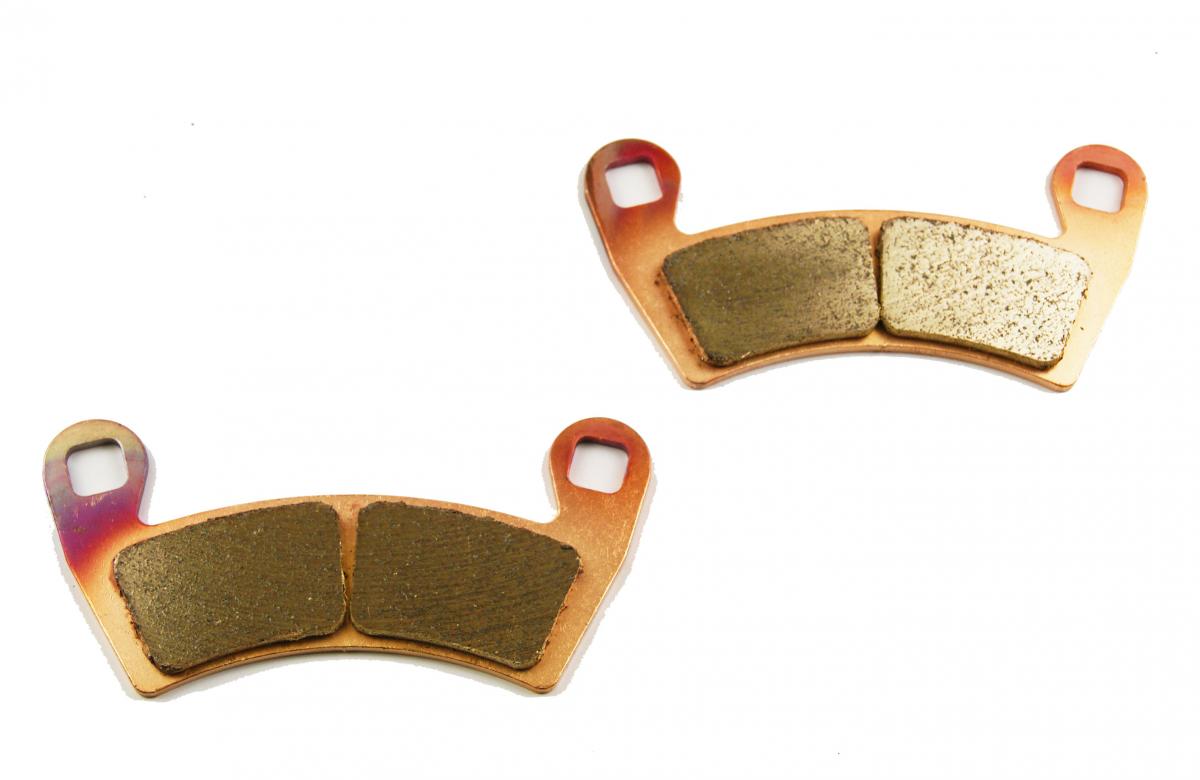
BRAKE PADS SINTERED METAL HD, QD-D EXTREME, DB2179 QD-D BP247DDDD
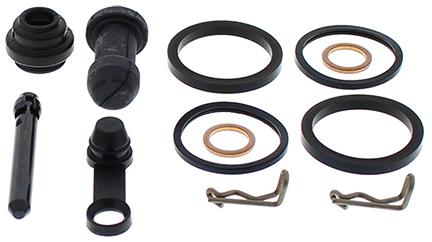
BRAKE CALIPER REBUILD KIT ALLBALLS, ALLBALLS 18-3170 CAN-AM FRONT AND REAR
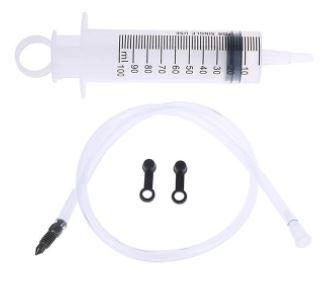
HYDRAULIC BRAKE CALIPER BLEEDER KIT 100ML SYRINGE & 40CM HOSE
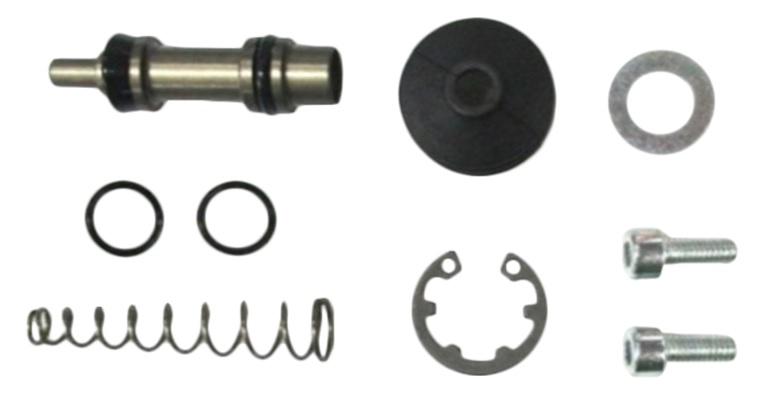
MASTER CYLINDER REBUILD KIT, FIR MX-05632 / 18-1055
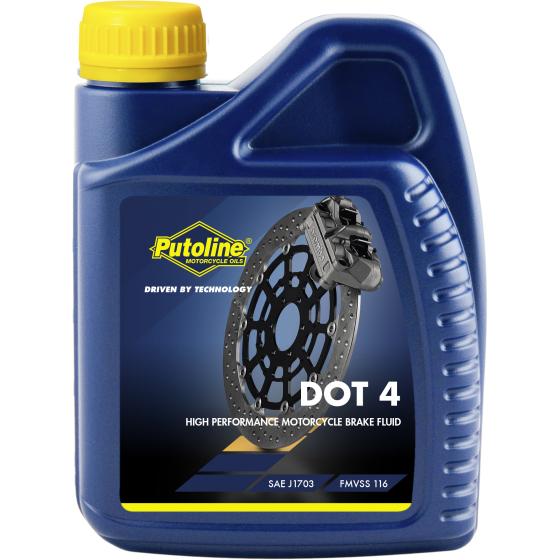
500ml DOT4 BRAKE FLUID PUTOLIN, PERFORMANCE DOT4-500, BOX = 12
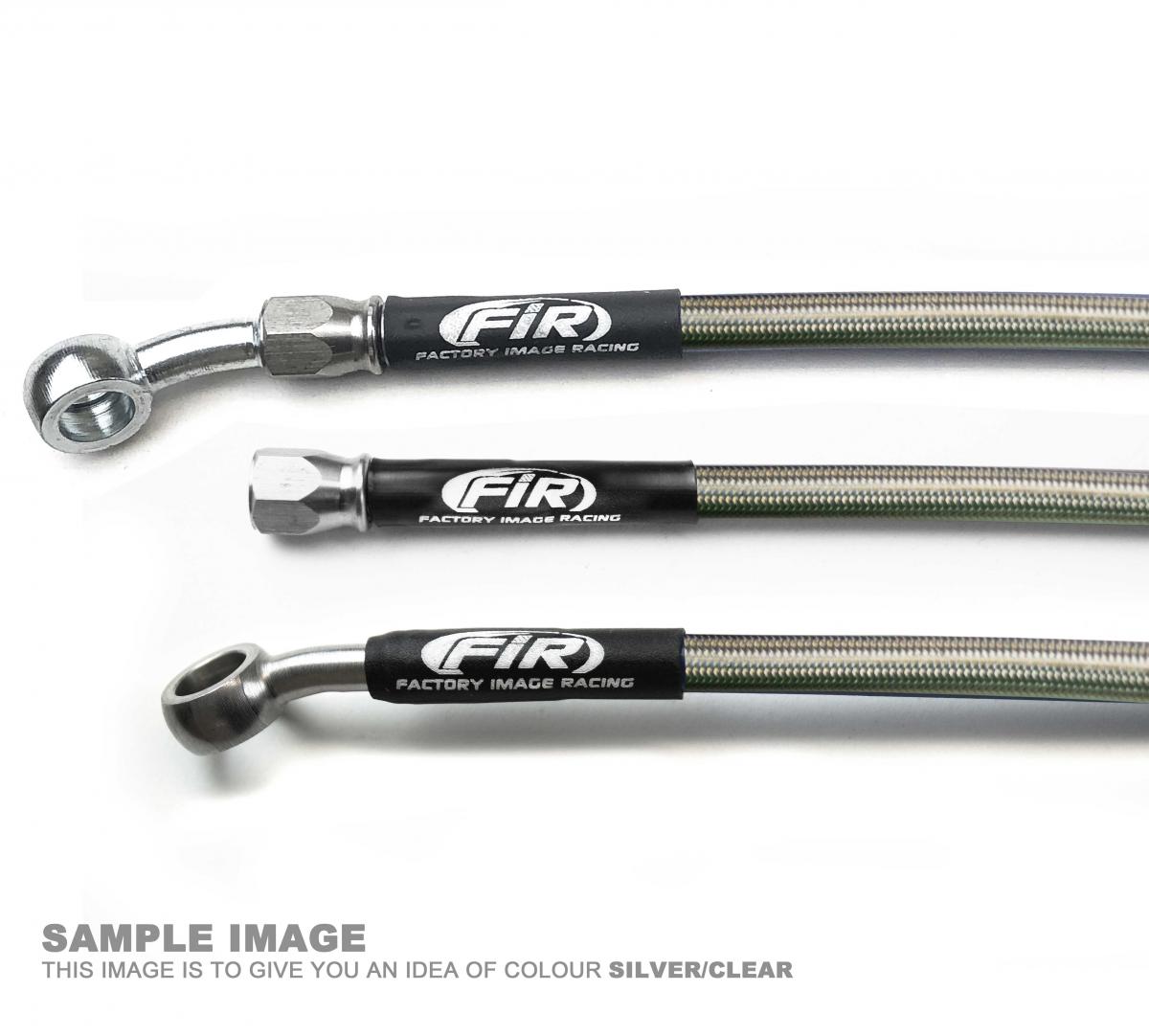
FRONT BRAKE HOSE SILVER / BLACK, KTM 85 SX 2013 - 2016, M8 FITTINGS K01-1-040/P-CL
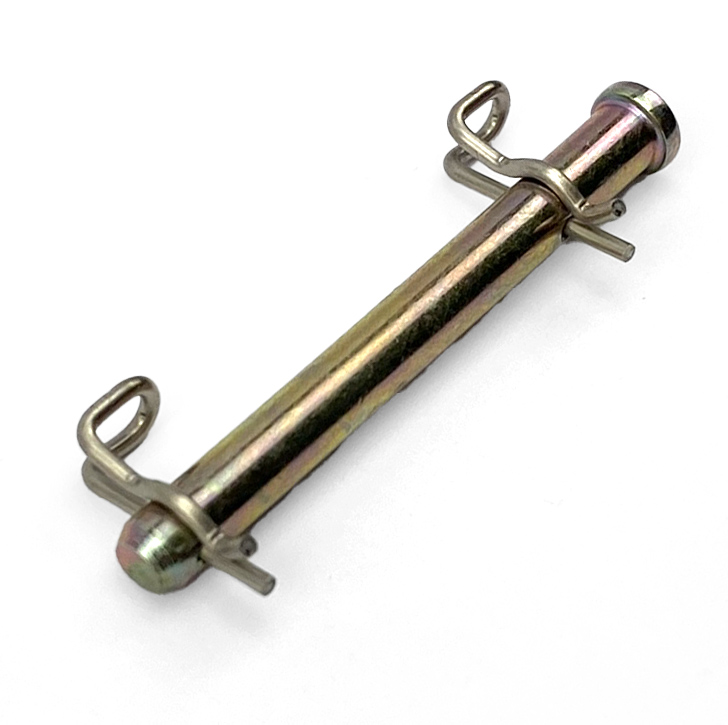
BRAKE CALIPER PIN CLIP SET FRONT 00-18 56mm KTM HUSQVARNA 54613210100 77013017000
FAQ
Do bigger brake calipers always stop a heavy cruiser better?
No. Stopping performance depends on full system matching and setup quality. A properly serviced stock system often outperforms a poorly matched larger caliper.
Should I change brake hoses when upgrading calipers?
Usually yes if hoses are old, soft, or cracked. Fresh hoses improve lever firmness and help new caliper setups perform as intended.
Are sintered pads better for heavy touring bikes?
Often yes for loaded and high-mass use, because they can offer strong friction and better heat tolerance. Always confirm fitment for your exact bike and disc setup.
How often should brake fluid be changed on a cruiser?
Follow manufacturer guidance, but many riders benefit from regular fluid changes every one to two years, especially with frequent road use or storage in damp conditions.
Can a master cylinder fault feel like a bad caliper?
Yes. Weak seals, internal leakage, or poor lever feel can mimic caliper problems. Inspect and test both components before replacing parts blindly.
What is the biggest braking mistake on heavy motorcycles?
Chasing caliper upgrades before servicing fluid, hoses, pads, and caliper movement. System balance and maintenance quality usually matter more than one oversized component.