
Performance
Aftermarket vs OEM Motorcycle Parts for Performance Upgrades: UK Rider Guide
A detailed aftermarket vs OEM motorcycle parts guide for performance-minded UK riders. Learn where OEM still wins, where quality aftermarket parts make sense, and how to build upgrades without wasting money.
Why this comparison matters before you spend
The aftermarket vs OEM debate usually gets reduced to one line: OEM is safe, aftermarket is risky. Real world workshop decisions are more nuanced. Some aftermarket parts are excellent value and perform well, while some are cheap noise that creates fitting issues and repeat labour.
If you ride motocross, enduro, trail, quad, or pit bikes in the UK, parts availability and turnaround time often matter as much as peak performance. A bike on the stand for two weeks because one OEM line is backordered is not a win, even if the part is technically perfect.
This guide shows where OEM still makes sense, where quality aftermarket often wins, and how to avoid common upgrade mistakes that cost time and money.
OEM vs aftermarket at a glance
Use this as a quick decision table before building a basket. It will not replace a workshop manual, but it will prevent most obvious mistakes.
OEM and aftermarket tradeoffs for performance-focused riders
| Area | OEM usually best for | Aftermarket usually best for | Main risk to watch |
|---|---|---|---|
| Fit and installation | Exact factory fit with minimal setup | Good fit from known brands with wider stock | Unknown brands with inconsistent tolerances |
| Performance upgrades | Stock baseline and emissions compliance | Targeted response gains in intake, exhaust, clutch, gearing | Buying parts without setup changes |
| Price and value | Premium pricing for exact replacement | Better value when spec and quality are clear | Cheap parts that fail early |
| Availability | Great when dealer stock exists | Usually broader catalogue and faster substitution options | Choosing wrong substitute due to weak fitment info |
| Long term maintenance | Predictable service intervals | Wider choice by riding style and terrain | Mixing random components with no baseline |
Where OEM still wins
OEM remains the right choice for parts where exact dimensions and material specs are critical to reliability. For example, many internal engine components, sensors with strict calibration requirements, and model-specific electronic modules are safer when sourced as genuine replacements.
On bikes that need to pass strict inspection in your region, OEM can also simplify compliance and diagnostics. If your goal is to return a machine to known factory behaviour, OEM does that with the least uncertainty.
OEM is also useful as your baseline. Even if you plan to go aftermarket later, restoring worn service items to known condition first gives you cleaner before and after testing.
- Use OEM when a failed part could cause major engine or safety damage
- Use OEM when fitment differences are known to cause leaks or alignment issues
- Use OEM when electrical diagnostics depend on exact sensor behaviour
- Keep old OEM part numbers noted so you can cross reference alternatives later
Where quality aftermarket makes sense
Aftermarket is strongest when you want to tune the bike to your riding conditions, not just replace what was fitted at the factory. Intake, exhaust consumables, clutch components, gearing hardware, and wear items often offer better choice and better value outside dealer channels.
Examples from your current catalogue include Twin Air performance filters, Mikuni main jets, Pro-X heavy duty clutch kits, and Namura piston kits. These are practical upgrade paths for riders who service their own bikes and want predictable availability.
Exhaust hardware is another simple win. Items like high temperature muffler packing and exhaust springs are not glamorous, but they directly affect response, sealing, and noise control when the system ages.
The key is to choose reputable manufacturers with clear part numbers and fitment notes. Good aftermarket is not random. It is specification-based buying.
Performance gains come from systems, not single parts
Many riders buy one performance part, expect a huge gain, then feel disappointed. Real improvement usually comes from coordinated changes. A freer-flowing filter without fuelling correction can run lean. A new clutch kit on worn basket fingers still feels poor. Gearing changes without chain condition checks can mask drivetrain problems.
Build upgrades in stages so each step can be tested and validated before you spend again.
Practical staged upgrade plan
| Stage | What to change | Why it matters | How to verify |
|---|---|---|---|
| Stage 1 | Baseline service: air filter, fluid, chain condition, brake health | Removes variables and restores known behaviour | Bike starts, idles, and responds consistently |
| Stage 2 | Intake and exhaust consumables (filter, packing, springs) | Improves airflow consistency and sealing | Check throttle response and plug reading trends |
| Stage 3 | Fuelling adjustment (jetting or equivalent setup) | Matches fuel delivery to airflow changes | No flat spots, cleaner pull through mid range |
| Stage 4 | Drivetrain and clutch tuning | Transfers power more effectively to the ground | Stronger drive out and predictable engagement |
| Stage 5 | Internal engine upgrades (where required) | Increases performance envelope if build supports it | Compression and leak-down checks remain healthy |
- Change one system at a time, then test before adding another variable
- Keep notes on jet sizes, gearing and weather during each test ride
- Use compatible brands and known fitment ranges for every stage
- If results get worse, step back one change and re-check baseline
How to choose the right type of part for your goal
If your goal is reliability with a little sharper response, start with intake service and clutch condition. A fresh Twin Air filter and a correctly set clutch often make the bike feel cleaner immediately, especially on machines that have been neglected.
If your goal is stronger pull through the rev range, combine airflow parts with correct fuelling setup. Mikuni jet changes are low cost but need methodical testing. Do not treat jetting as guesswork. Small steps, one change at a time.
If your goal is durability under hard riding, prioritize heavy duty clutch kits, quality sprocket hardware, and correct chain setup before chasing expensive engine internals.
For top-end rebuilds, piston kit quality matters more than marketing language. Use measured tolerances, correct break-in, and a verified bore condition rather than buying on price alone.
Common mistakes in aftermarket performance builds
Most bad outcomes are process issues, not product issues. Riders mix parts from different setups, skip measurement steps, and then blame one component when the bike runs poorly.
- Buying by headline claim instead of fitment, brand and part number
- Installing airflow parts without fuelling adjustments where required
- Ignoring clutch and drivetrain wear while chasing power gains
- Using unknown hardware quality in high vibration areas
- Skipping torque specs and thread prep during reassembly
- Testing multiple changes at once and losing diagnostic clarity
UK buying strategy: speed, stock depth, and support
In the UK market, stock depth often determines whether a project finishes this week or next month. A strong aftermarket catalogue with clear categories helps you source complete baskets, including the small hardware that usually causes delays.
When comparing suppliers, check whether they can cover your full stage plan: filter, jetting parts, exhaust consumables, clutch components, and related hardware. If you have to split orders across three stores, your real cost rises quickly.
Use collection pages instead of broad search terms where possible. Structured categories reduce zero-result dead ends and make fitment checks faster.
Practical mixed strategy: OEM where critical, aftermarket where it counts
The best setup for most riders is not OEM-only or aftermarket-only. It is mixed. Keep critical reliability points on OEM when needed, then use proven aftermarket brands for service and performance-oriented categories where they deliver real value.
A realistic example: maintain key engine reliability components to OEM spec, run a high-quality aftermarket air filter and clutch kit, refresh exhaust packing and springs, then tune fuelling carefully. This gives a bike that feels sharper without sacrificing day-to-day dependability.
If you approach upgrades as a system, aftermarket can be a practical path to better performance. If you buy random parts, OEM would have been cheaper in the long run.
Related products
Parts mentioned in this guide that are available in our catalogue right now.
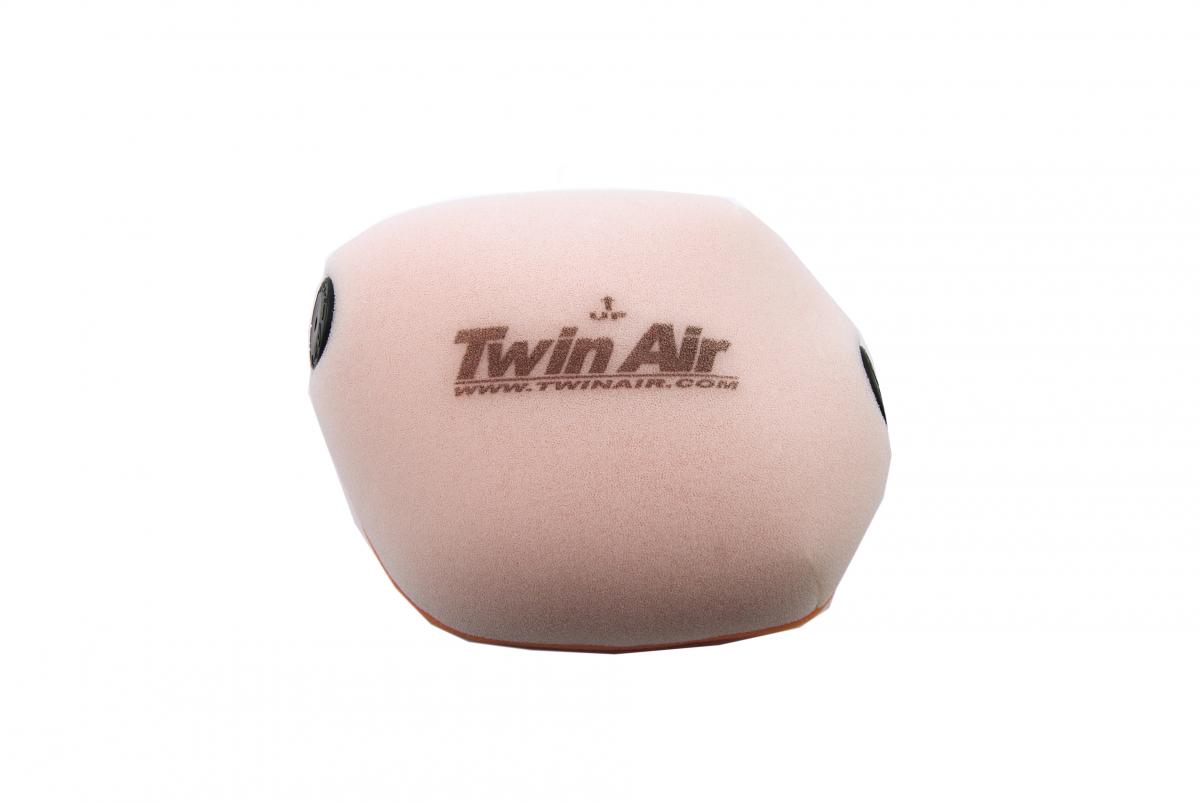
AIR FILTER 22-25 GASGAS/HUSQVARNA/KTM, TWIN AIR 154118
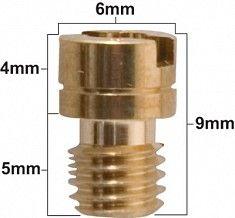
JET 150 MIKUNI N102/221 SMALL ROUND MAIN JET
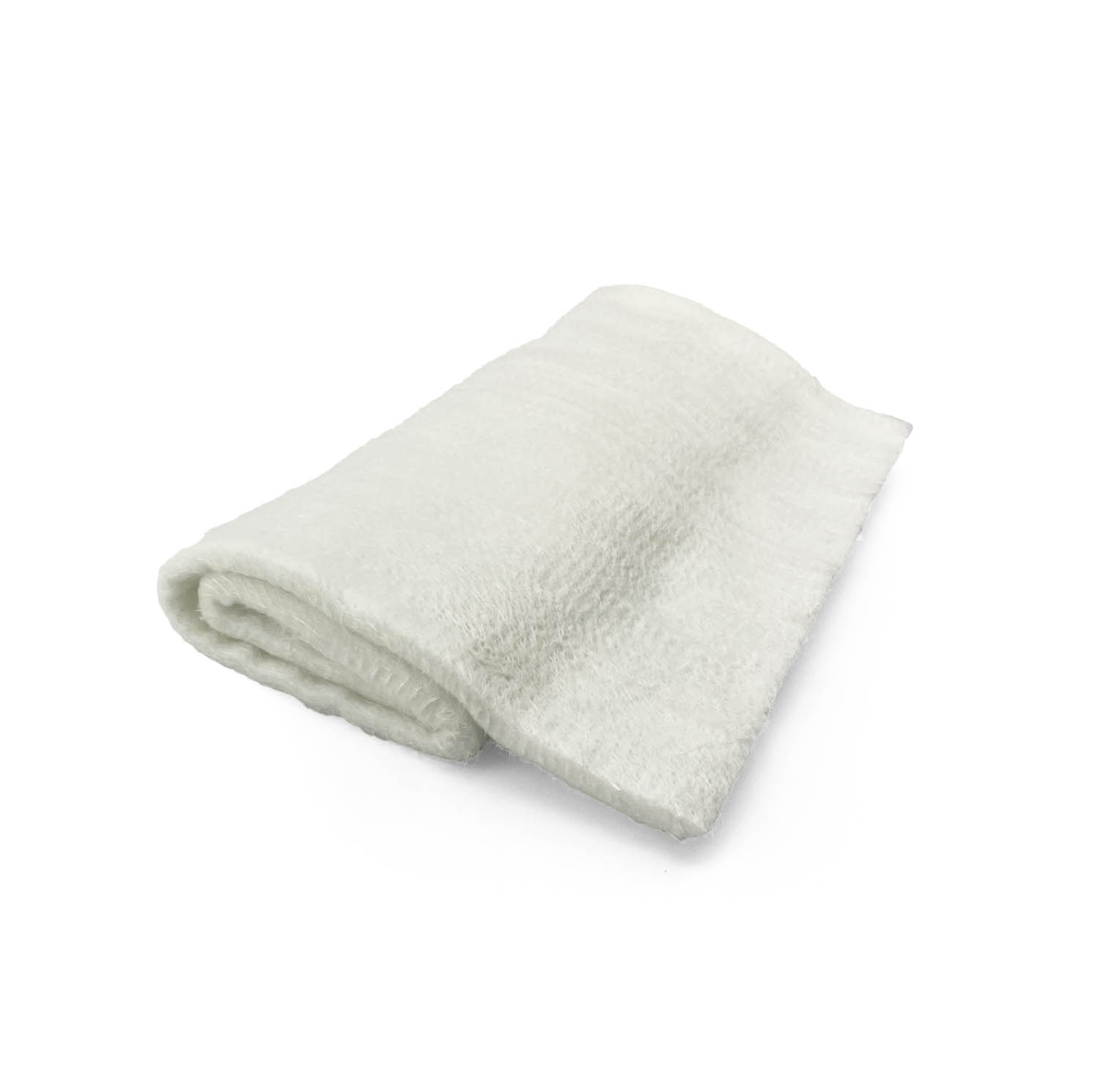
8mm EXHAUST MUFFLER PACKING 340x505 HIGH TEMP FIBERGLASS

75mm EXHAUST SPRING SILVER BZP
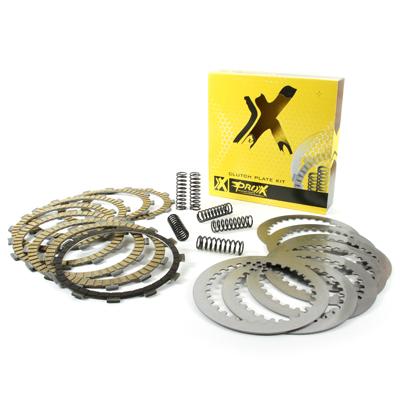
CLUTCH KIT HD YFM700 06-19, PROX 16.CPS27006 MADE IN JAPAN
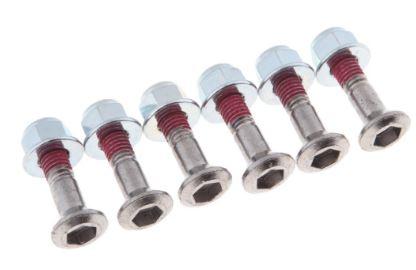
(PACK OF 6) SPROCKET BOLT WITH THREAD LOCK, M8 8mm x 30mm
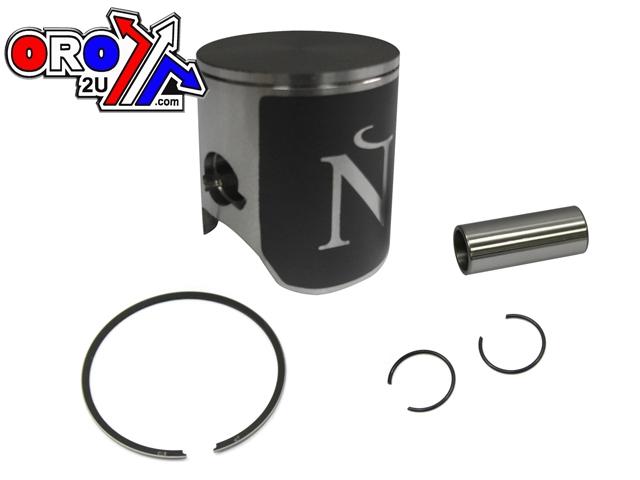
PISTON KIT 00-06 KTM250 66.40, NAMURA NX-70050
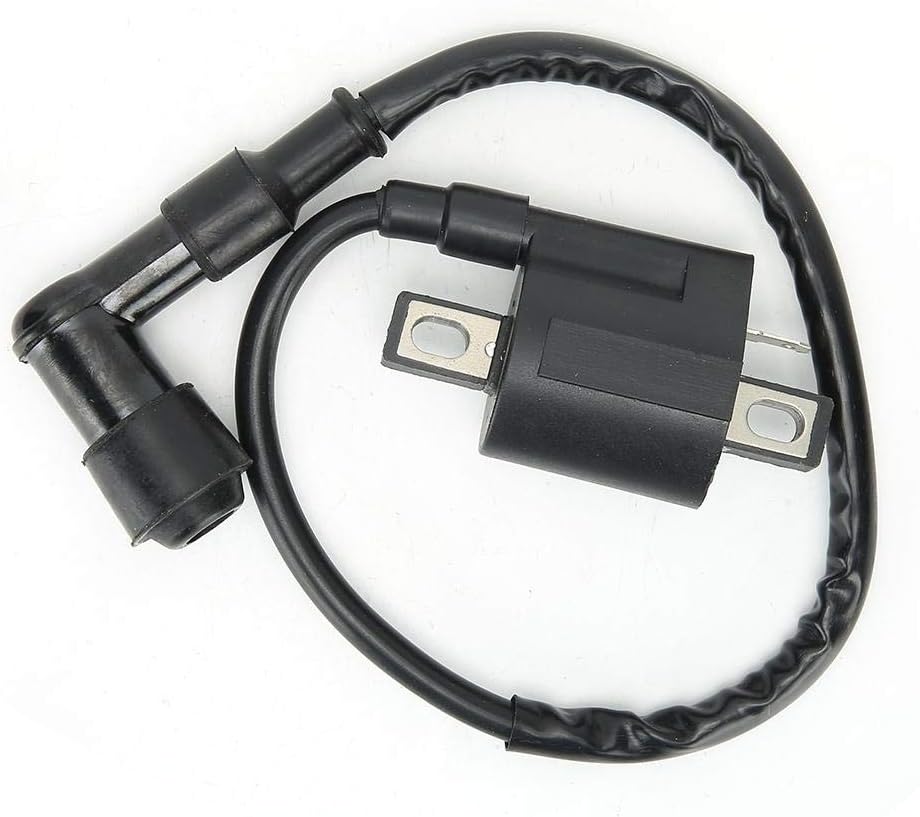
IGNITION COIL & SPARK PLUG CAP YAMAHA PW50 TT125 YFM 250 350 400 450 3KJ-82310-10-00
FAQ
Is aftermarket always lower quality than OEM motorcycle parts?
No. Quality depends on the manufacturer and part type. Proven aftermarket brands can match or outperform OEM in selected categories, especially filters, clutch components, and service hardware.
Should I mix OEM and aftermarket parts on the same motorcycle?
Yes, that is often the best approach. Keep critical reliability-sensitive parts OEM where needed, and use quality aftermarket components where they offer better value or tuning flexibility.
Do aftermarket performance parts always add horsepower?
Not automatically. Gains depend on the full setup. Intake or exhaust changes often need fuelling adjustments and proper installation before any improvement is noticeable.
What are the safest first aftermarket upgrades for a trail or enduro bike?
Start with baseline service, then move to a quality air filter, exhaust consumables, and clutch condition. These changes usually improve response and reliability without complex engine work.
Can I use aftermarket parts if I want long-term reliability?
Yes, if you use reputable brands, verify fitment, and follow torque and setup procedures. Most reliability issues come from poor matching or poor installation, not from aftermarket parts by default.
How do I avoid wasting money on motorcycle performance upgrades?
Upgrade in stages, test after each step, and keep written setup notes. Do not stack multiple changes at once. A structured plan avoids buying parts that do not work together.